These projects represent how I approach creative work — not just as ideas, but as things that need structure to exist and grow. Through Creative In, HOAP, KO-BUILT, BLUSH, and LHAF, I explore different ways of developing, organizing, and bringing concepts to life, whether that’s through systems, product design, or community-based initiatives. Each one reflects my focus on turning something abstract into something tangible, while keeping the process intentional and adaptable. Together, they show how I work: building clarity within complexity and creating projects that can actually move forward.


LHAF - CURRATED COLLABORATION EVENT
CREATIVE IN - CREATIVE-WEAR MINI SERIES


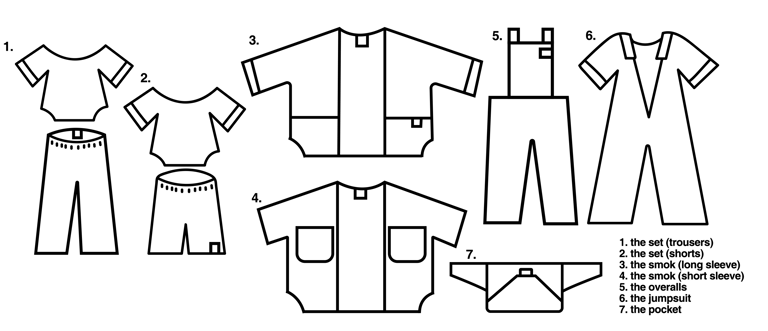
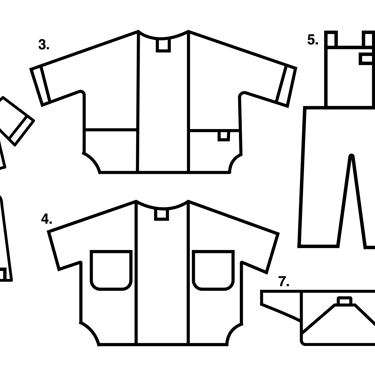
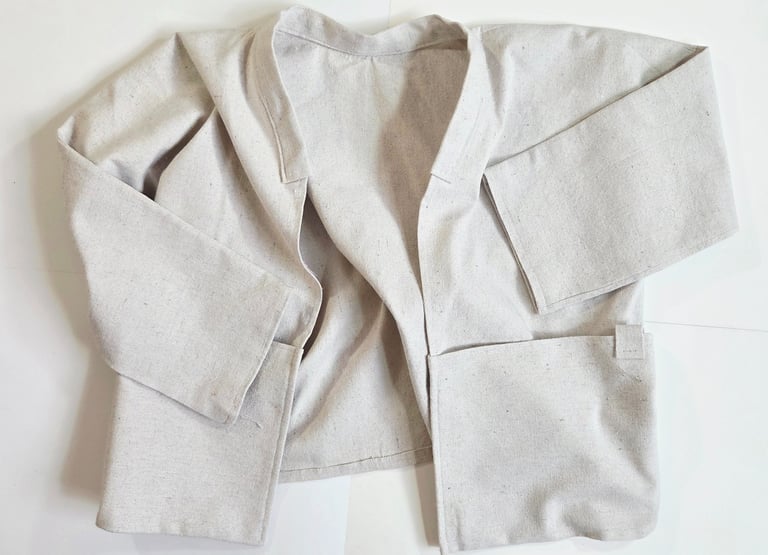
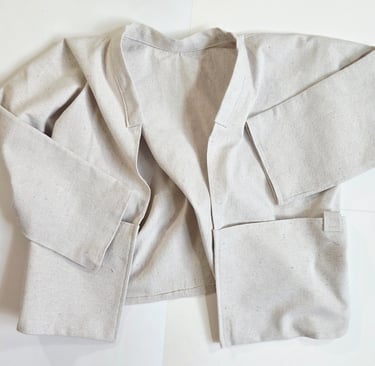
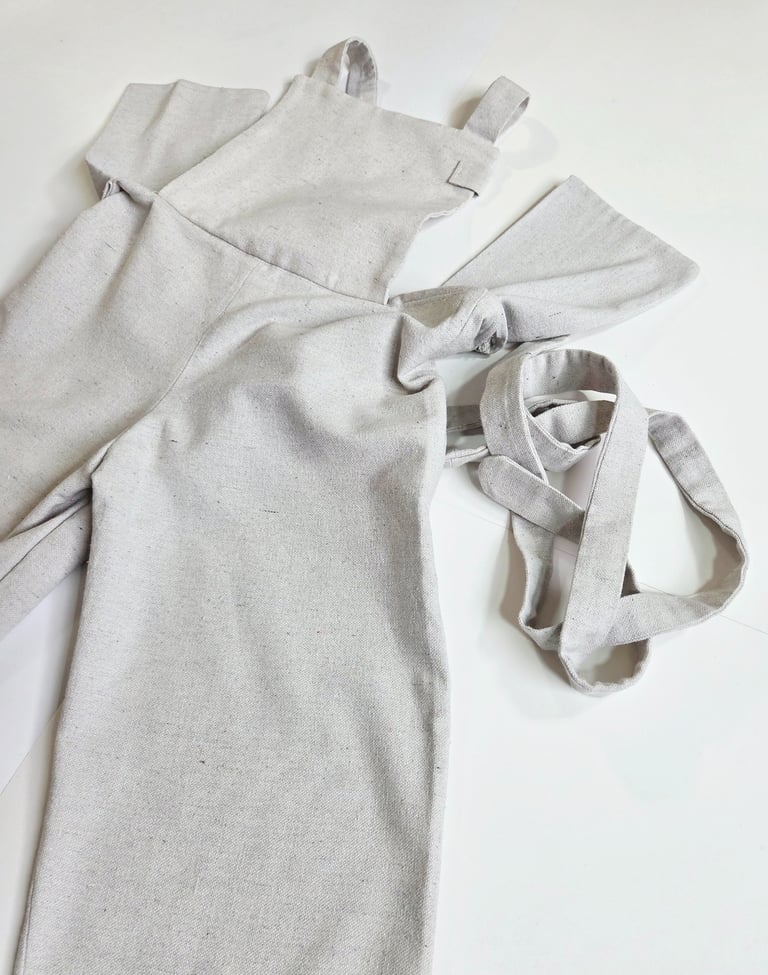
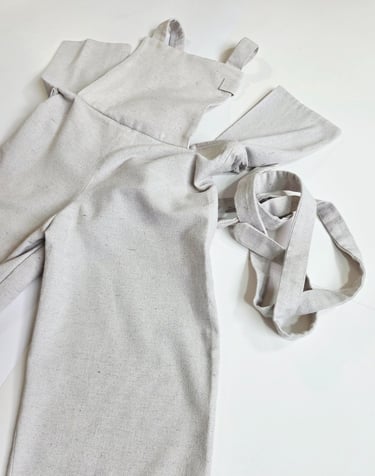
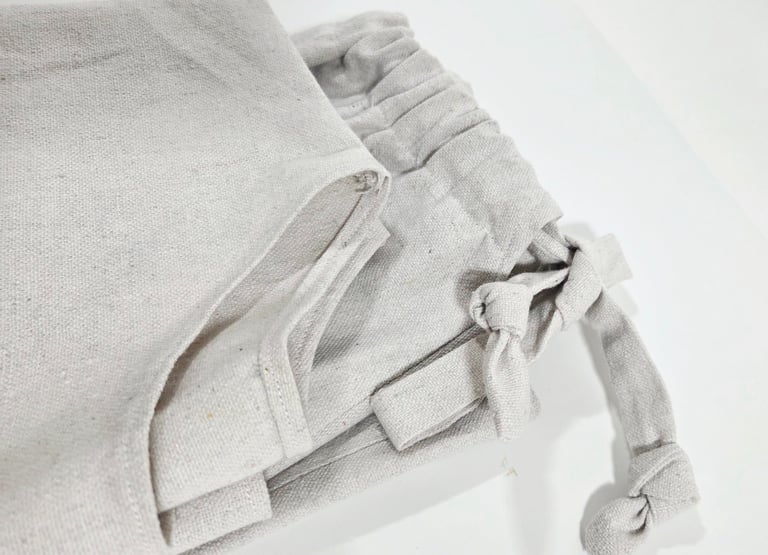
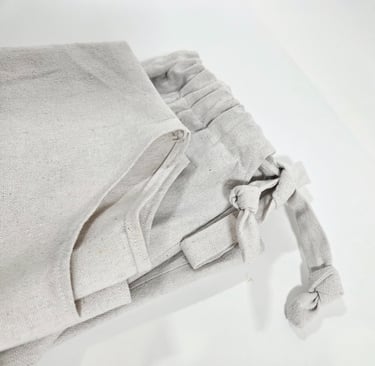
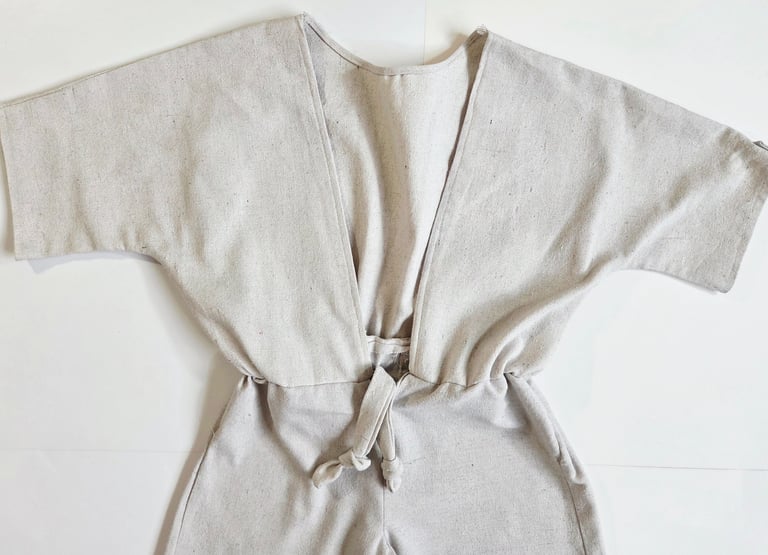
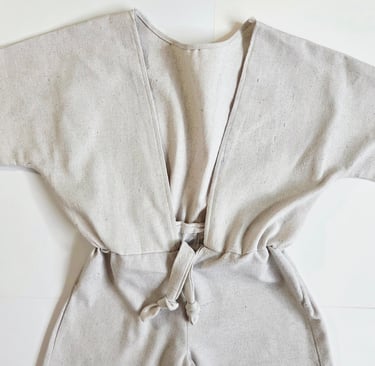

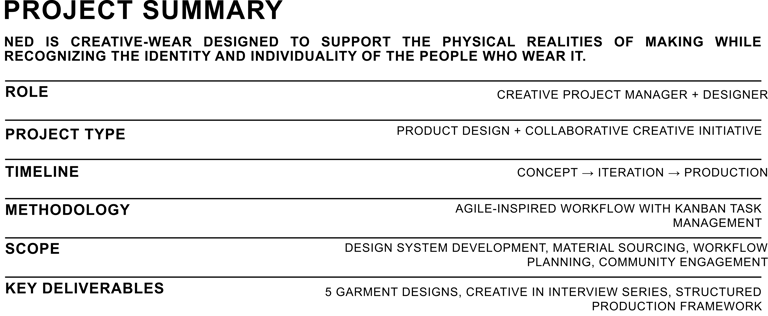




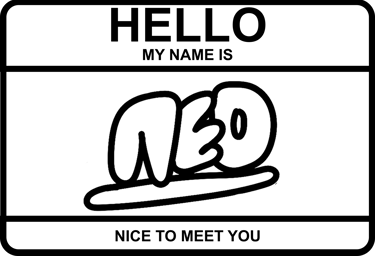
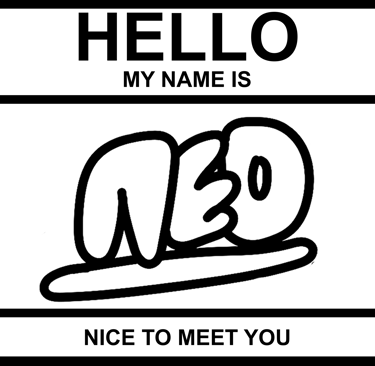
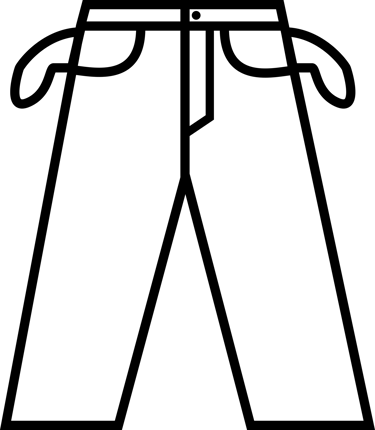
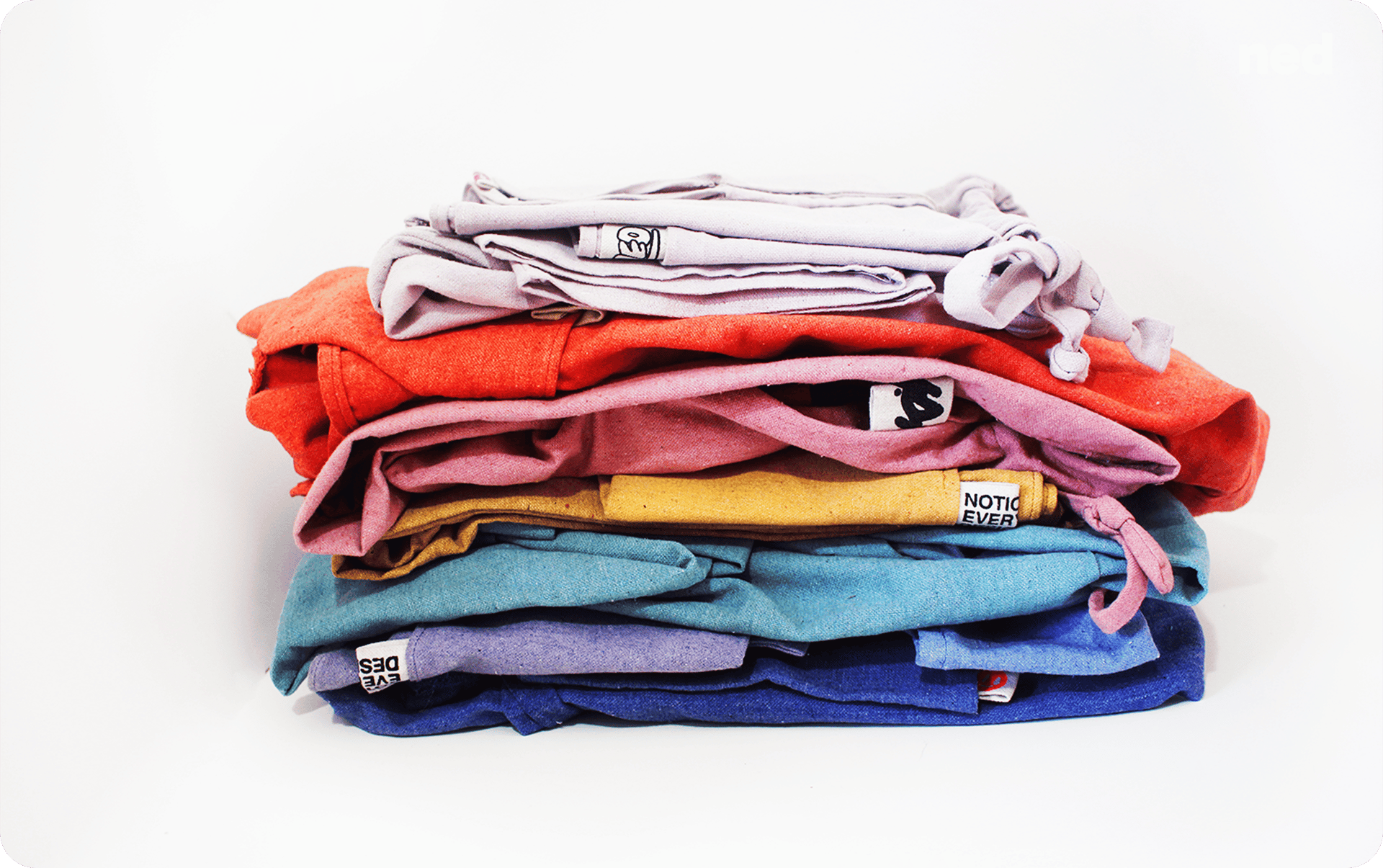
I DESIGNED A SELECTION OF FUNCTIONAL CREATIVE GARMENTS WITH PRACTICALITY, IDENTITY BUT MOST IMPORTANTLY, PROCEP OINT IN MIND. EACH ONE NEEDED TO BALANCE AFFORDABILITY ON A CONSUMER AND PRODUCTION LEVEL. THIS INTENTIONALLY PUT AUTHENTICITY FIRST IN DESIGN AND HOW IT WOULD INTRODUCE ITSELF TO THE PUBLIC.
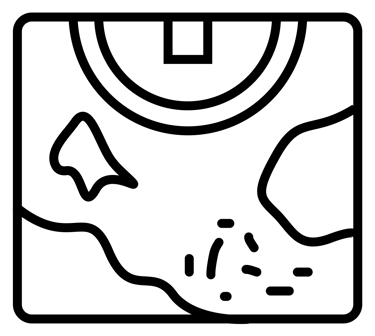
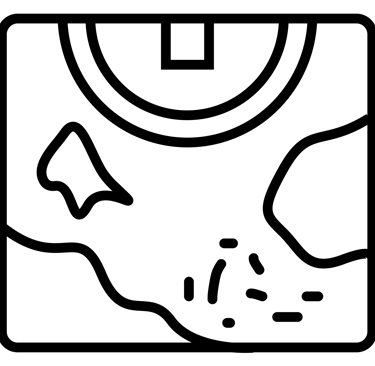
OVER THE YEARS, I'VE STAINED, DYED, AND ACCIDENTALLY BLEACHED CLOTHES I SHOSE TO WEAR WHEN DESIGNING THINGS.
I REALISED I HAD BECOME MORE CONCERNED WITH PROTECTING WHAT I WAS WEARING THAN WHAT I WAS WORKING ON. ALTHOUGH CREATIVE-WEAR ALREADY EXISTS, THE PRICE CAN SOMETIMES CREATIVE THE SAME HESITATION.
HOW CAN I DESIGN A LINE OF FUNCTIONAL AND AFFORDABLE GARMENTS FOR A WIDE RANGE OF CREATIVE PRACTICES WHILST KEEPING THINGS SIMPLE?
THE PROBLEM
THE SOLUTION
NED EVOLVED THROUGH SEVERAL KEY DECISIONS
WHAT I NEEDED TO DO WAS STEP BACK AND LOOK AT WHAT IT REALLY MEANS TO WORK WITH YOUR HANDS AND APPLY THAT TO MATERIAL CHOICE, CREATIVE NEEDS AND FIT.
I SIMPLIFIED THE DESIGN
I DEFINED CLEARER BOUNDARIES WHEN IT CAME TO SCOPE AND SUSTAINABILITY
PRODUCTION DECISIONS WERE GUIDED BY LOOKING AT THE BIGGER PICTURE TO BE ABLE TO PAY ATTENTION TO THE IMPORTANT DETAILS
STEP 1
THE PROCESS
ROADBLOCK
THESE CHOICESTRANSFORMED NED FROM AN EXPERIMENTAL IDEA INTO A STRUCTURED DESIGN SYSTEM.


THE IMPACT
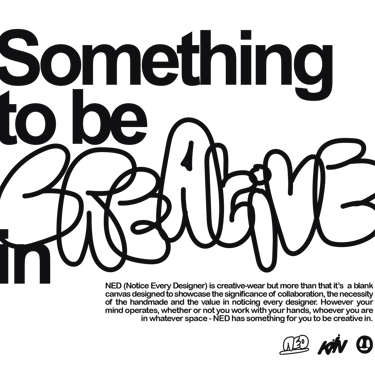
NED NOW EXISTS AS FIVE FUNCTIONAL GARMENT DESIGNS. TO INTRODUCE THE PROJECT AUTHENTICALLY, I DEVELOPED CREATIVE IN, A SERIES WHERE MAKERES, ARTISTS AND DESIGNERS TEST NED WHILE REFELCTING ON THEIR CREATIVE IDENTITY.



HOAP is about holding on to what matters.


Clear|The entire presentation needs to be memorable but more than that it needs to be direct. The message needs to be communicated effectively, clearly and creatively.
THE NEW APPROACH:I needed the wording and presentation to bring the focus back to the main objective.
Naming the project HOAP helped establish that. It reflected both the hope of finding meaningful work through my experience and my hands-on approach to getting things done.
From there, the language shifted away from why I needed to take a different approach and towards how I could support potential clients.
I needed to reach small, independent businesses and brands looking for creative, administrative and operational support in a way that showcased both who I am and what I can do. IGGH (In Good, Good Hands) was the destination and HOAP was the map.
So, I designed a stand.
Each stand needed to stand on its own, fit inside a small envelope when flat, and fold into place in fewer than four steps.
I also designed tabs to "hold a place" wherever needed to double as everyday small, functional reminders that support was only an email away.
The goal is to reach 100 small businesses and independent brands across Toronto. Where possible, I plan to deliver 60–70 stands by hand, with the remainder mailed directly to studios.
The aim isn't to only generate immediate work. While a high response rate would be great, my target is 40% recognition — responses from people who might say, “We don't need support right now, but we see what you're doing” and 10% success leading to actual work.
THE ROADBLOACK: There was a risk that the stand would distract from the main objective of the stand: to direct potential clients to my IGGH page. The presentation needed to be a perfect balance of memorable and clear.Any imbalance could mean the difference between no responses and the potential 10 clients I need.
RATHER THAN STEPPING ASIDE


THE PROCESS.
In addition to acknowledging how I was packaged, I was also aware of how things were changing. Tasks once placed in the hands of skilled professionals were being automated with a frequency I felt I couldn’t keep up with.


I chose three words to guide the design process:
Resourceful| The stands are crafted from paper I've made myself. Being resourceful is at the root of my creativity and it was really important that was at the forefront of the design.
Practical| The stand needed to be noticeable without becoming distracting as it will be sitting on a desk.


THE HANDS ON APPROACH PROJECT GOAL


THE DESIGN


After spending some time considering what I was capable of building, the cost it would be to produce and how Icould make it as eco- friendly as possible (big enough to sit and work in but small enough to be pulled by a bicycle), I decided to develop a modular POD that would eventually provide Kiin members with their own adaptable creative space.
the pod.
The interviews will be audio-recorded, edited and translated into the soundtrack of the final interior design process. Each POD will be shaped by real creative hands and needs.
Establishing the structure | I began basic sketches of how I wanted the pods to function. they needed to fold into a structure small enough to pull via bike but large enough to sit in and work comfortablely. It was challenging but I decided 4x4x6 was the best size when full expanded and 2x4x4 when being transported.
Developing the mode | I built the initial design from foam board to test the proportions and functionality. Then I moved on to a thin, craft pllywood to reflect what would be the final design a bit better.
Imperfect pod | I accepted that the miniature wasnt going to function EXACTLY how the larger pods would but the concept was solid and what was figured out on a small scale would translate when the larger one would be built.
Refining the design | After about three iterations, I settled on a design that meant the PODs could connect together while remaining easy and practical to transport.


The challenge became designing an alternative to the campervan: something that was designed with nature in mind - a compact, mobile, self-contained creative space that could accommodate a range of creative needs while remaining affordable, sustainable and connected to the wider community.


I always had big plans for Kiin and they all had to do with restoration. The original goal was to buy delapitated spaces, ensure they were safe to inhabit, convert them into a creative space and then make that space available to small creative businesses.
There obviously needed to be stages in between so the fisrt step was going to be refurbished campervans, converted into mobile studios which would then be rented out or sold to small businesses to help reach our goal of purchasing our first property. After months and months of consideration, I decided I wanted Kiin's first step into the physical world to better reflect everything it stands for: resourcefulness, sustainability and accessibility.


purpose.
Kiin has always had one purpose: to provide authentic support to creatives. I needed these pods to be both a reflection of what Kiin stands for and contain everything the creatives it supports would need in a comfortablely compact space.
perspective.
In order to get the most accurate perspective, I plan on reaching out to 4 creatives with differing needs, styles and opinions. Ill ask them how they do what they do, in terms of their seating, their work surfaces, their storage and if and how they incorporate nature into their spaces. All of their answers will inspire the interior of each pod.


LHAF (LOVE - Life, Opportunities, Validation and Experiences - Had a Face) supports creatives navigating pauses, pivots, and delays without judgment, offering structured care and actionable opportunities for growth through curated events and thoughtful conversations


THE PROBLEM: What's Missing?
LHAF needs to be different. It can't just be another "networking" event where people show up, feel obligated to have conversations that dont necessarily go anywhere and leave feeling unfulfilled. Giving an event a specific theme can add a bit of pressure but I want to replace that pressure with purpose.
Knowing you're there because someone has shown up to talk to you and that someone else has shown up because they know you need to talk to them sets a different tone entirely - one that I hope will foster the type of collaboration that grows beyond a conversation.


This was a challenging question: how do you get people to care enough to become invested and participate?
I needed voices that could speak about collaboration with authenticity and relatability. I was asking four strangers to offer their time and be open, honest, and vulnerable in front of an audience — voluntarily, with no social media presence behind the event.
It was a big ask, so I needed to frame it not as a sacrifice, but as an opportunity to offer something of themselves that would be accepted, appreciated, and valued. They needed to understand who they were saying yes to.
LHAF's first event needed to have a strong, recognizable foundation. This event in particular needed to be built on a universal need: to connect meaningfully and intentionally.
Building that foundation meant understanding the guests on a deeper level, long before they arrived. I needed to ask questions whose answers would create a strong enough foundation to support creatives in need.
PANEL STRUCTURE & QUESTIONS
EVENT TONE (MARKETING AND OUTREACH)
The purpose of this project is to reconnect creatives to themselves and to other creatives. This event will act as the template for future events and build trust within the community in LHAF as a whole and in Kiins future.
There was no funding and very little budget. While having the means to book a venue, market the event, and compensate participants would have been ideal, it wasn't a determining factor.
KIIN is built on being resourceful, and LHAF would be no different. I developed an exchange program through KIIN to obtain a space for three hours. From there, outreach, filming, editing, and marketing would fall into place through strategic planning.
There were plenty of challenges, but being compelling enough to get the right people involved was the biggest.
It's one thing to ask for an hour of someone's time; it's another to ask them to discuss their creative process in front of an audience. I needed LHAF's message to be clear enough that I didn't have to "convince" anyone — those who read it needed to feel seen and valued.




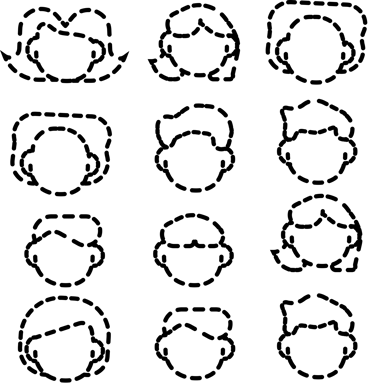
BLUSH is a NAAMIO print series exploring faces and hands. I create an original portrait-style print inspired by the members of your team. Elements of each person — facial features are interpreted and combined into a single illustrated face in the BLUSH style. The result is a one-of-a-kind print that represents the group as a collective character.
CAPTURING THE UNIQUE COHESION BEHIND CREATIVE TEAMS


I DIDN'T WANT THIS TO BE JUST ANY PORTRAIT, I NEEDED IT TO BE DIFFERENT. THEY NEEDED TO HIGHLIGHT THE COHESIVE NATURE STRONG TEAMS CAN HAVE.
SO, INSTEAD OF INDIVIDUAL PORTRAITS, I WOULD CREATE JUST ONE. I WOULD TAKE 2-4 FACES, DRAW THEM AND THEN COMBINE ASPECTS OF EACH OF THEIR FACES TO CREATE A NEW FACE - ONE THAT REPRESENTS HOW WELL THEY WORK TOGETHER BUT MORE IMPORTANTLY, THE FACT THAT IT TAKES EACH OF THEIR UNIQUE CONTRIBUTIONS TO MAKE WHAT THEY DO WORTHWHILE.


THE BLUSH PRINT PROJECT






Got a question, idea, or project in the works? Reach out anytime. I’m always interested in connecting with creatives, small brands, students, and people building things!

Kiin will be a space where creatives have the room to grow intentionally, collaborate authentically and connect honestly. Until then, it will do all of that from here - this online space through its family of brands
WHERE CREATIVITY IS RELATIVE TO COMMUNITY
NED
SALVILLAGE
SM/LE
NAAMIO
COUP
KIINSHOP
LHAF
ODAAT