These projects represent how I approach creative work — not just as ideas, but as things that need structure to exist and grow. Through Kiin, DAA, NED, Salvillage, and LHAF, I explore different ways of developing, organizing, and bringing concepts to life, whether that’s through systems, product design, or community-based initiatives. Each one reflects my focus on turning something abstract into something tangible, while keeping the process intentional and adaptable. Together, they show how I work: building clarity within complexity and creating projects that can actually move forward.

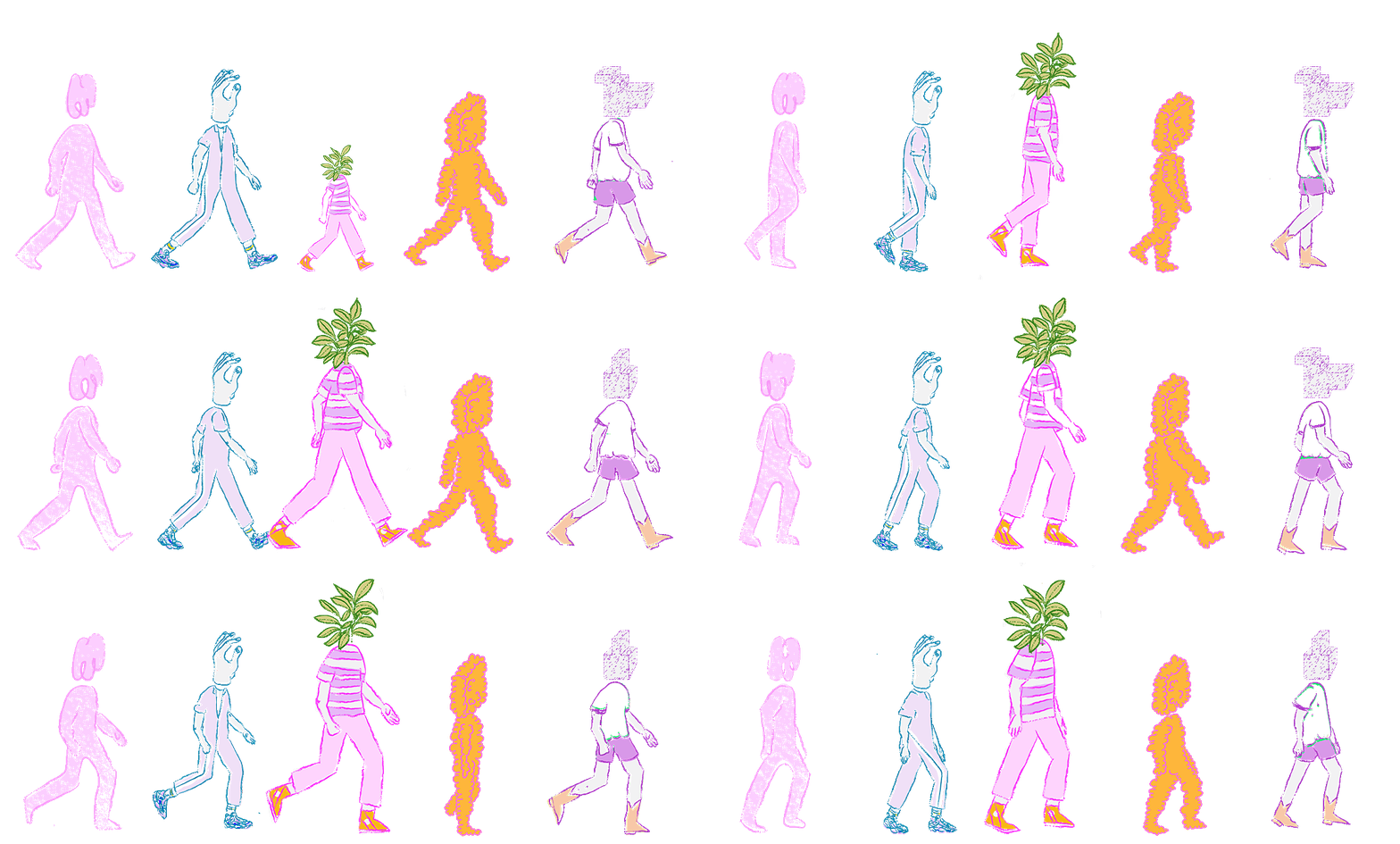
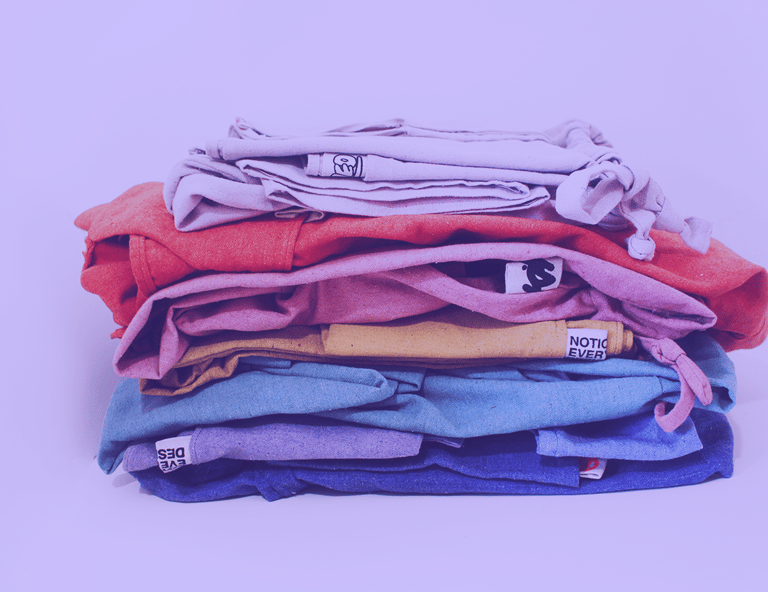



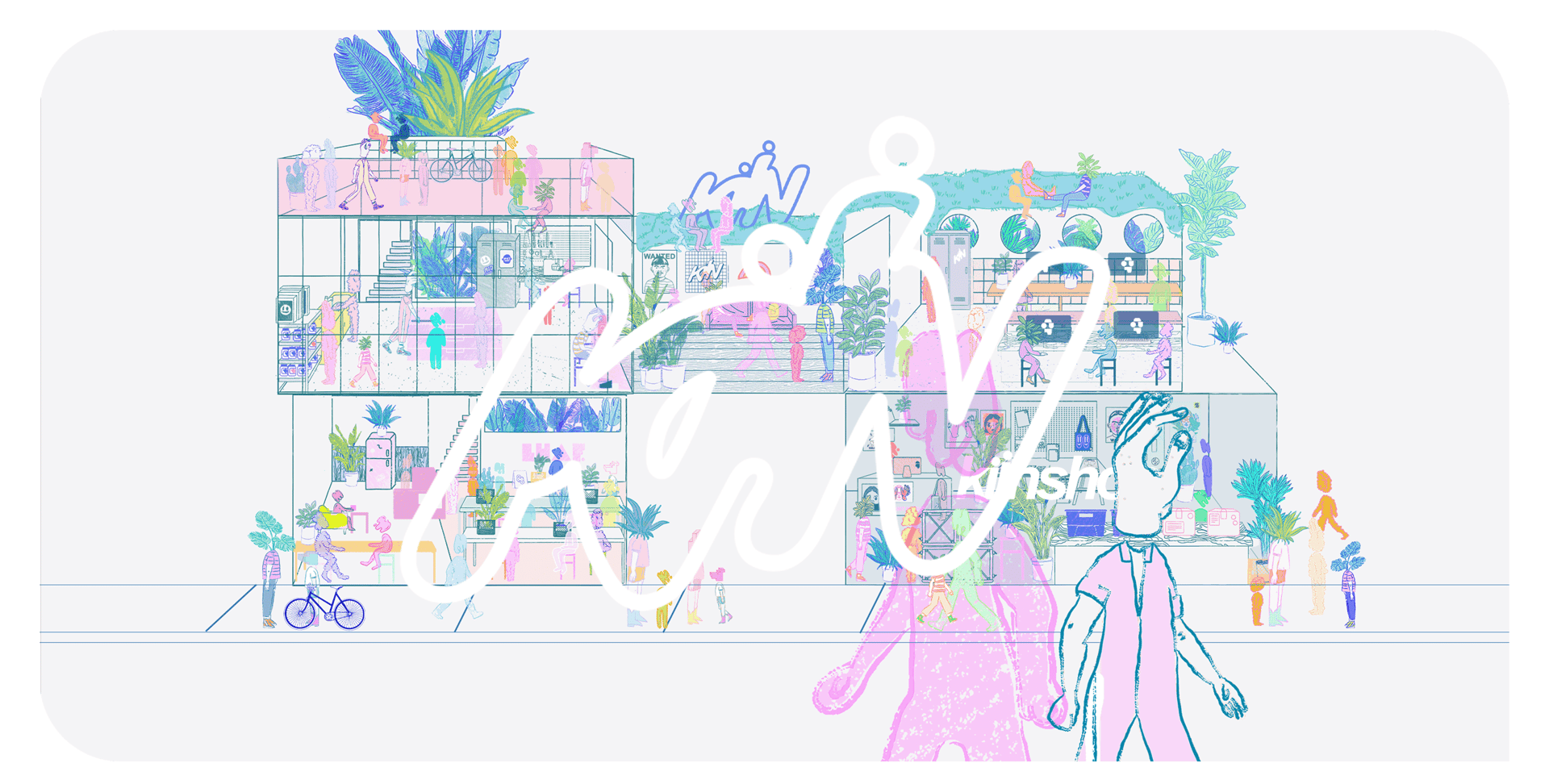
Kiin is a creative ecosystem connecting projects, materials, and people to support collaborative and accessible creative development.
LHAF supports creatives navigating pauses, pivots, and delays without judgment, offering structured care and actionable opportunities for growth.
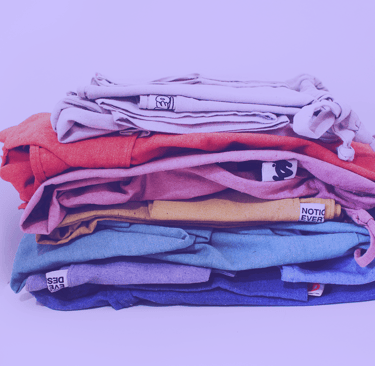
NED is a set of functional creative-wear designed to support the physical realities of making while recognizing the identity and individuality of the people who work with their hands.
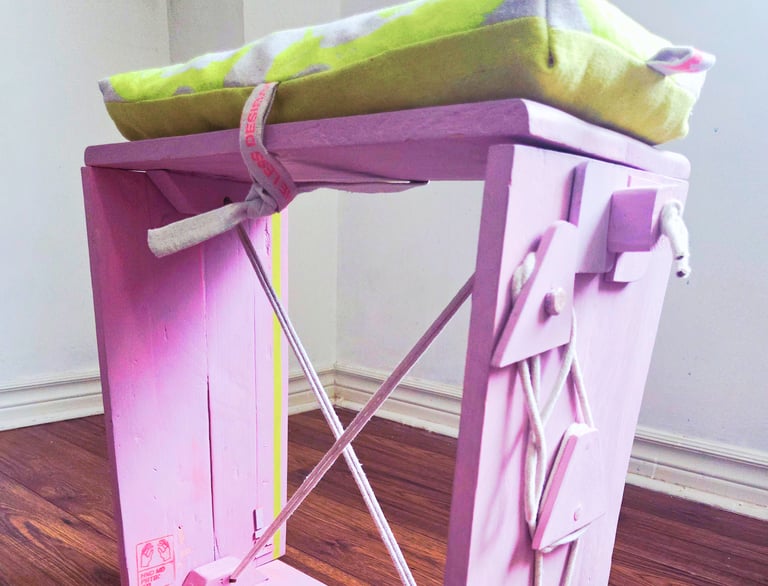
Salvillage is Kiin’s sustainability arm, transforming waste streams into functional, intentional products while reframing how materials are valued in the creative process.
DAA is a transitional development program designed for creative students who choose to move directly from high school into the professional creative world rather than continuing into university or college.



PROJECT NAME
NED: CREATIVE-WEAR
ROLE(S)
PROJECT MANGER + DESIGNER
PROJECT NAME
ROLE(S)
LHAF: RECONNECTING
EVENT MNGR + SYSTEMS BUILDER
PROJECT NAME
ROLE(S)
SALVILLAGE: RESOURCEFUL DESIGN
PRJCT MNGR + PRODUCT DESIGNER
DAA: BRIDGING THE GAP
PROJECT NAME
ROLE(S)
PROGRAM DESIGNER
WHERE CREATIVITY IS RELATIVE TO COMMUNITY
I describe KIIN as a creative ecosystem.
It’s built on shared values and foundational ideas that allow different projects to grow in their own direction while still remaining connected.
Each project explores creativity through a different lens, but they all stem from the same intention — building meaningful, collaborative spaces. Kiin has nine brands but I’ll be focussing on four to offer insight into my process and creative philosophy.
Using Kiin as the rubric, Lhaf, Ned, Salvillage and DAA will be broken down so you understand how they came to be, why they exist and what their existence means for your projects. The rubric is as follows: The Problem, The Challenge, The Solution, The Approach, The Considerations, The Process and The Impact.
The Problem
A lack of affordable, accessible and creative support in the form of spaces, tools, collaboration and development.
Scope creep across multiple initiatives
Resource limitations
Maintaining cohesion across projects
The Challenges


Design a space where creative tools are accessible, collaboration is mutually beneficial, and development is comprehensive and authentic.
Ensure the space is approachable (inclusive - all stages/backgrounds of creative development are welcome) and affordable in terms of the process (my end) and accessibility (memberships need feel suppoted and seen when it comes to what Kiin provides through its memberships).
Develop an actionable blueprint detailing a plan for sustainability and community lead programs.
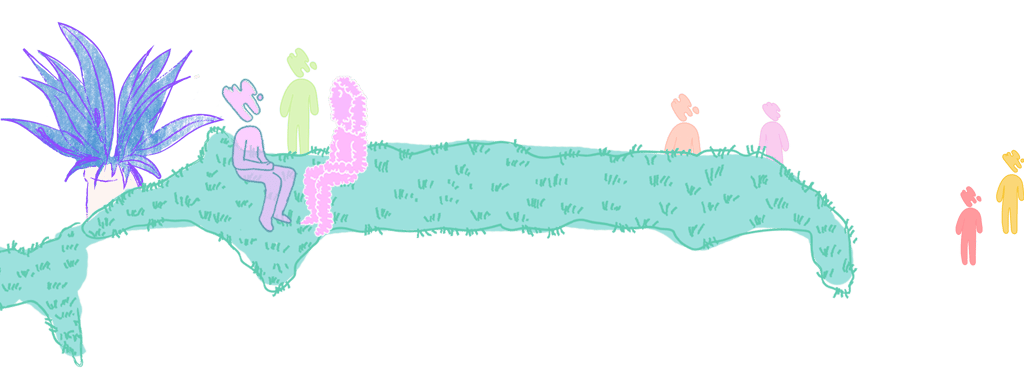
Kiin was a complex undertaking. I needed to look at it like an already functioning system and work backwards in order to really make sense of all its components. Each “brand” needed to serve a dual purpose. Each one needed to be self sustaining and to support the creative development of individuals and communities.
This approach allowed for a relatively straight forward process but one that took many iterations before it became what it was meant to be.
KEY CONSIDERATIONS
How can I develop several brands whilst maintaining Kiin's creative diversity.
Am I spreading Kiin's purpose too thinly across too many brands?
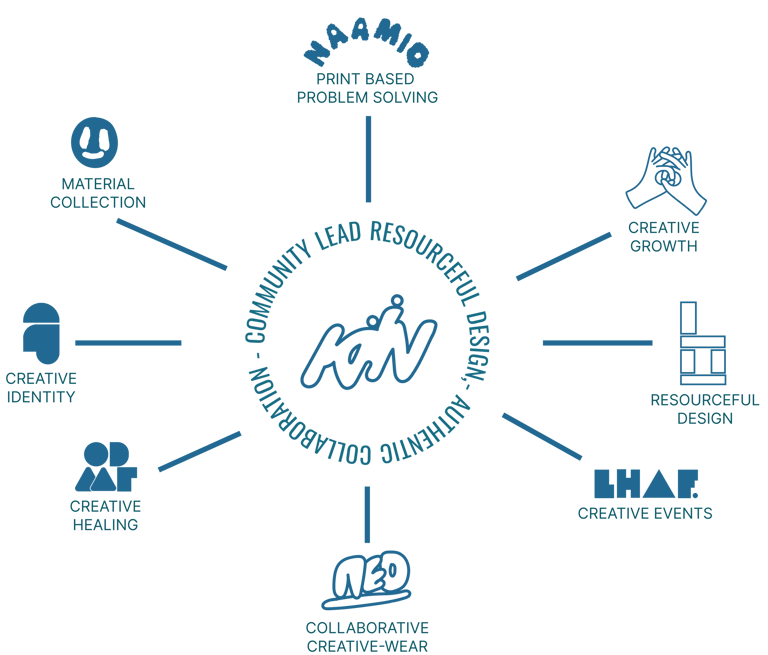
Kii’n’s development wasn’t exactly linear but more like a reverse firework. Many ideas and concepts developed inwards to form a circular system of resourceful design, authentic collaboration and community lead initiatives.
I took what I already had (ideas + concepts + materials) and turned them into something executable/ tangible (brands, programs and paths to self sustaining community support). It began with a desire to design a space that would welcome creative individuality and developed into a concept that will go on to help communities embrace it.
THE PROCESS
SOLUTIONS
THE
How can I raise funds honestly and with Kiin’s principals in mind?
THE APPROACH
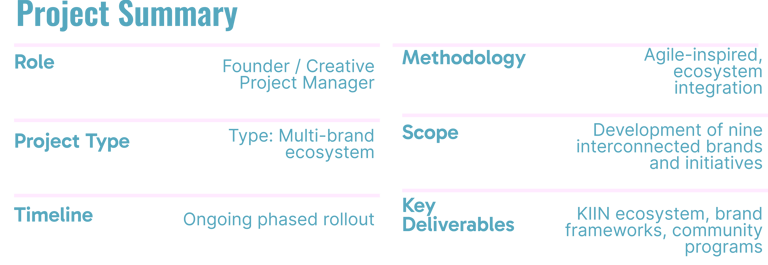
The development of Kiin required a unique working structure. Although I was working independently, I approached the project using agile and scrum-inspired methods, treating different areas of my skill set as separate functional roles. This allowed me to delegate responsibilities across research, design, strategy, and production while maintaining a structured, iterative workflow.
Kiin is being developed through a phased and intentional rollout. While the full platform is still expanding, several core initiatives are already active and operational. This portfolio focuses on NED, DAA, Salvillage, and LHAF as working examples of Kiin’s collaborative and design-driven framework.
THE IMPACT
**
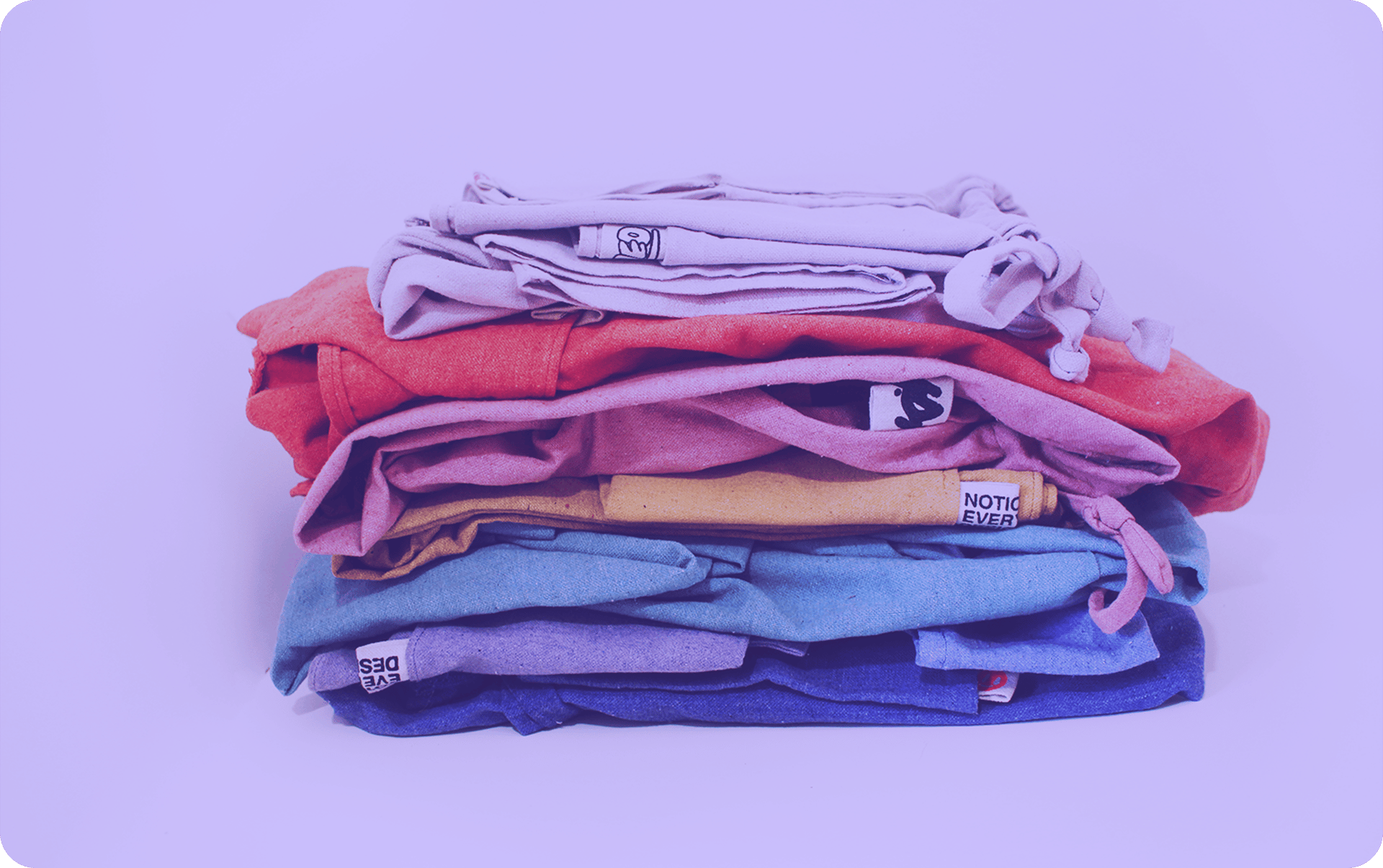
I’ve ruined a handful of the things I decided to wear when “being creative”. Whether it got smeared with paint or ended up partially dyed or even bleached, my creative process ended up making me feel cautious when I needed to feel uninhibited. Creative-wear already exists (obviously) but the price points also felt restrictive - and can make the wearer feel like they need to keep it "nice" for as long as possible.
The Problem
How can I design a line of functional and affordable garments for a wide range of creative practices whilst keeping things simple?
How can I maintain responsible production methods with minimal resources/ funds
How will I execute my plan of designing for a wide range of creative needs with minimal garment design experience?
I needed to develop a selection of functional creative garments with practicality, identity but most importantly price point in mind. The project needed to balance affordability on a consumer and production level. This line needed to put authenticity first in its design and how it would introduce itself to the public**.
The Solution
My Approach
The project evolved through several key decisions:
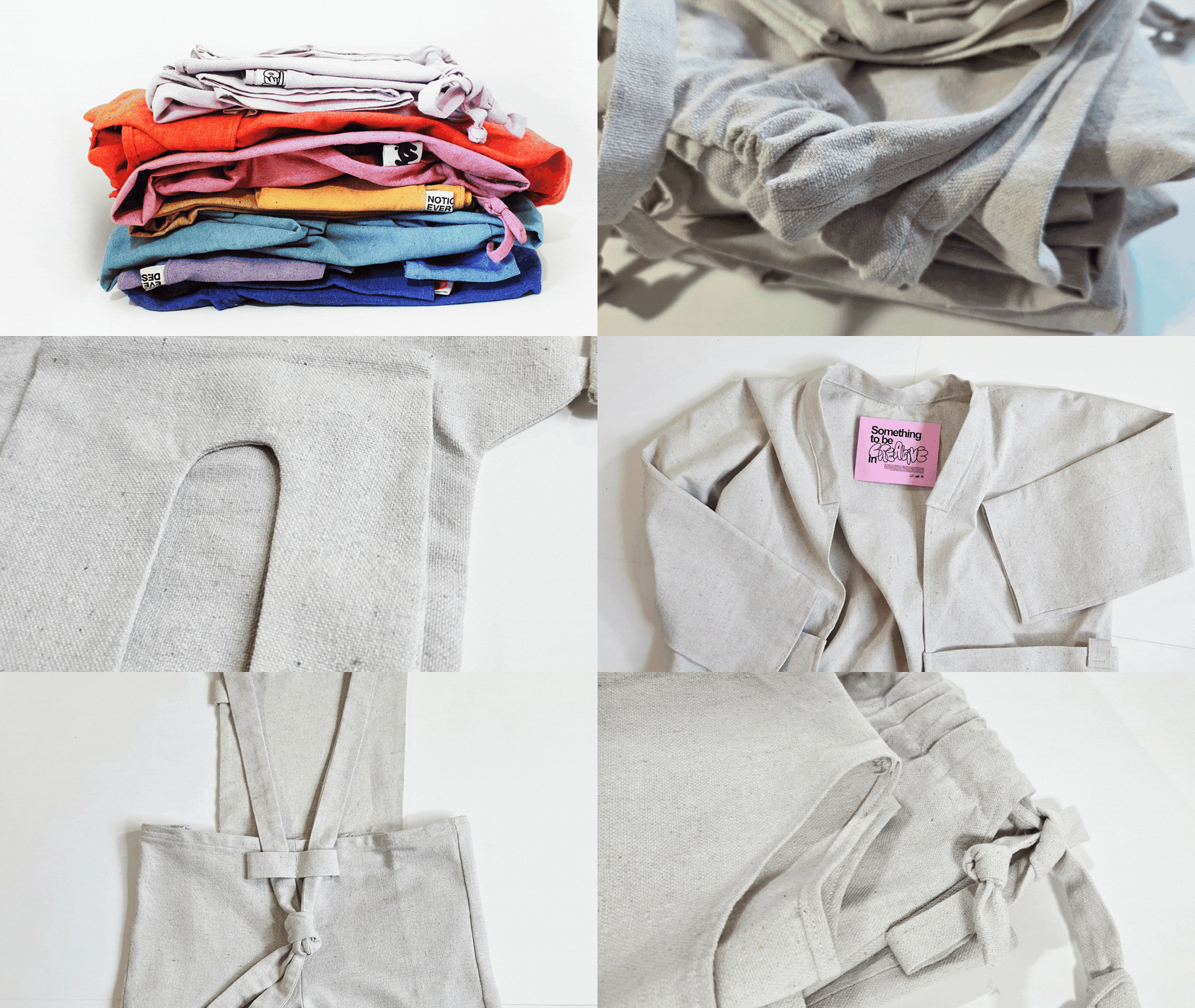
For two years, “If you can make it, don’t buy it” became my mantra when it came to clothes. This helped me move away from resource and fund draining production methods and shift towards repurposed materials (dust sheets).
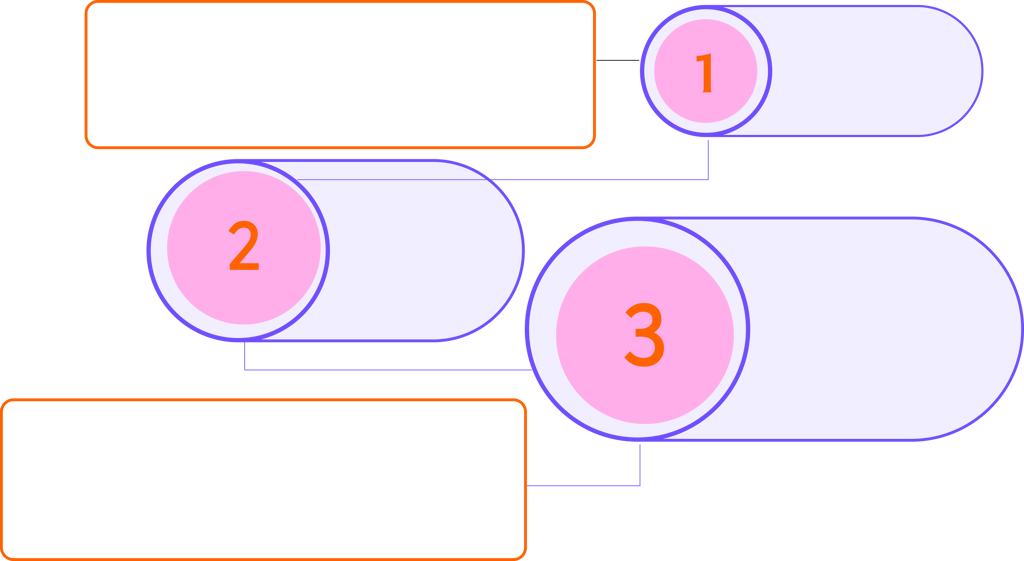
step one
I implemented a more sustainable dyeing method which used less water for both dying and rinsing.
step two
I recognized what it could mean for small creative communities if I could design something that was affordable, reliable and collaborative. This realization lead me to name the project ned (notice every designer).
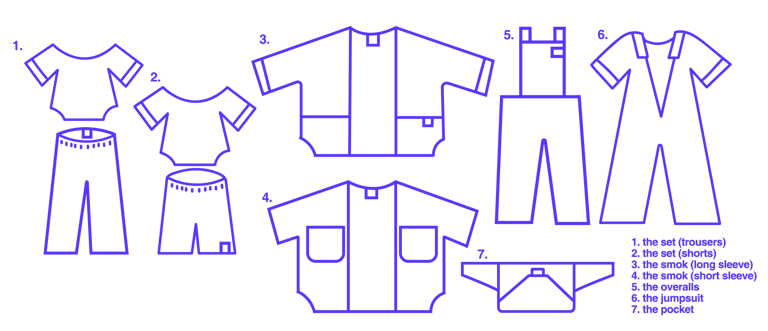
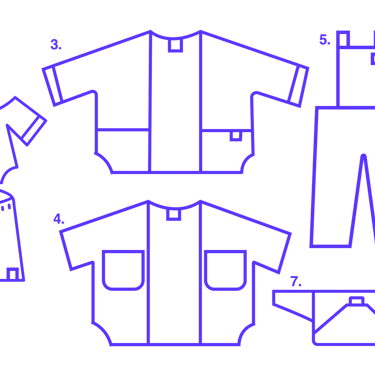
Five garments can draw attention but not towards the bold colors or simple silhouettes but to the wearer -their process, perspective and purpose.
step three
These choices transformed ned from an experimental idea into a structured design system.


THE PROCESS
Instead of approaching this project as a garment designer out of their depth, I approached it like a project manager would. I stepped back and assessed how each piece functioned within a creative context. With this view, I was able to decide on what worked and what didn’t.
These Key questions informed the structure
Who is ned for?
What does responsible production look like?
How should “finished” be defined?
What I needed to do was step back and look at what it really means to work with your hands and apply that to material choice, creative needs and fit.
I simplified the design process
I defined clearer boundaries when it came to scope and sustainability
Production decisions were guided by looking at the bigger picture to be able to pay attention to the important details
Designing a versatile collection of creative garments that made anyone who wore them feel seen regardless of method or style was a near impossible, boundless task when I worded it so literally.
Trying to do something for everyone.
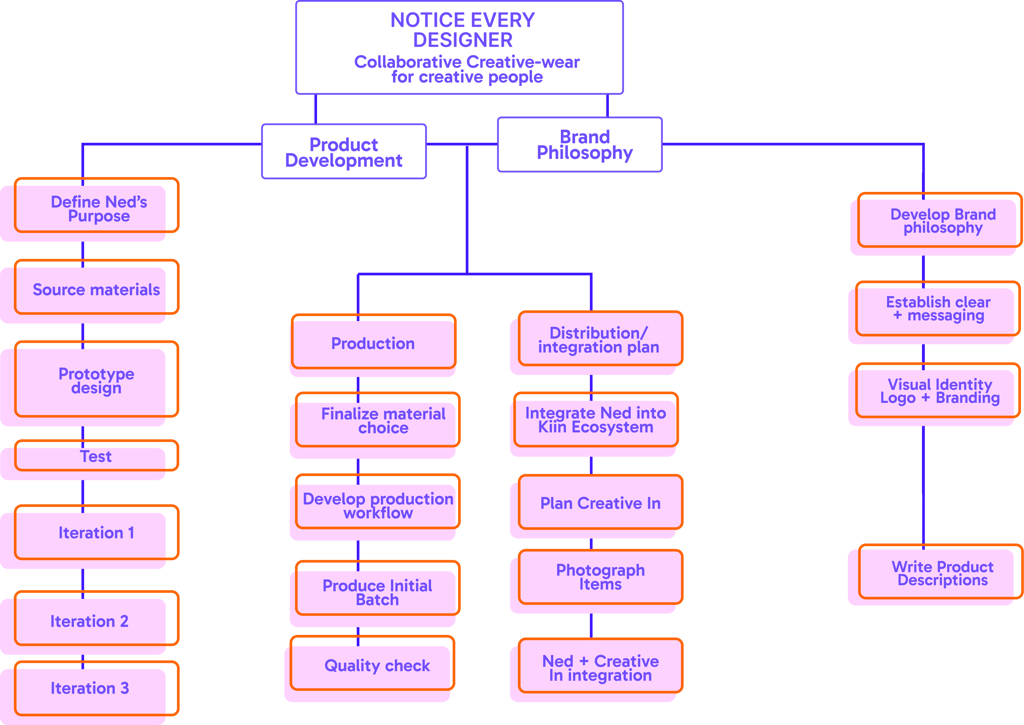
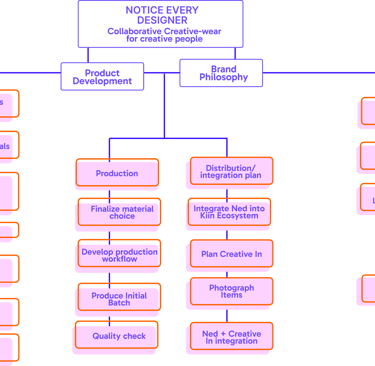
To organize the development process, I created a Work Breakdown Structure that divided the project into manageable stages. The WBS allowed the project to move from concept to execution while maintaining clarity around scope and deliverables.


The Impact
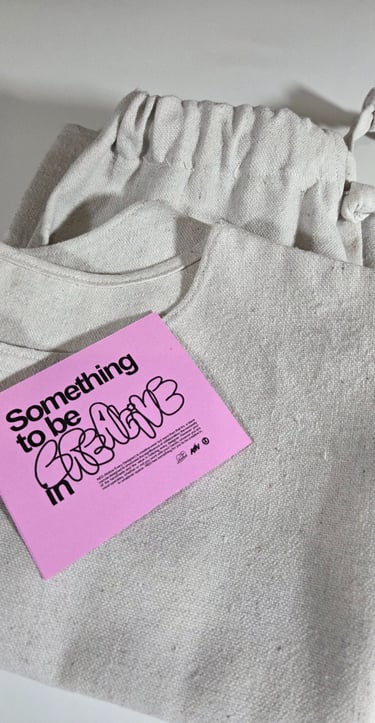
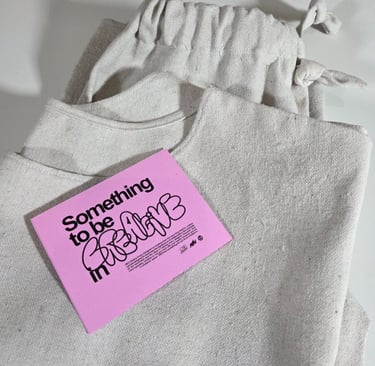
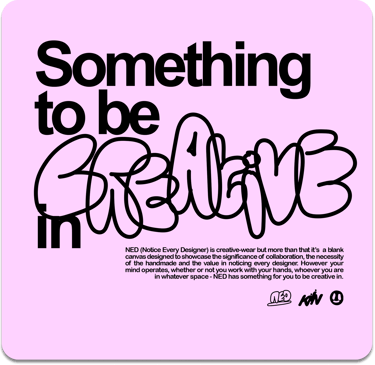
NED now exists as five functional garment designs. To introduce the project authentically, I developed Creative In, a series where makers, artists, and designers test NED while reflecting on their creative identity.
Participants complete the phrase: “Something to be ____ in.” Their responses become part of each piece sold, extending NED beyond utility into a form of creative recognition.
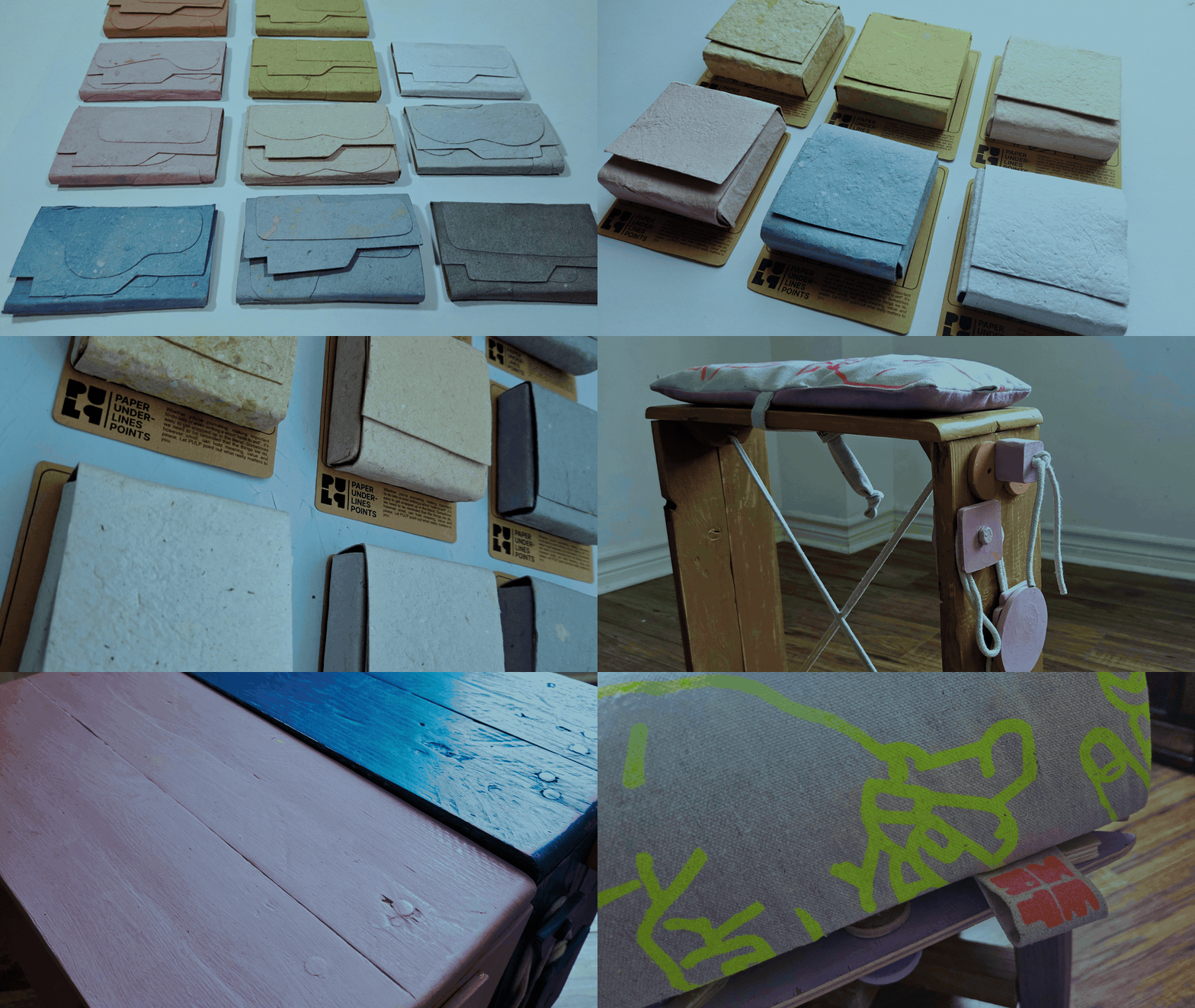

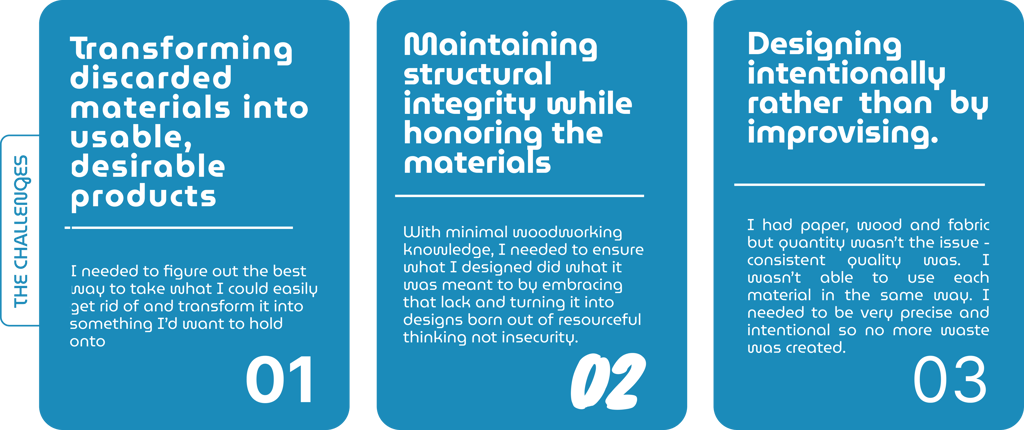
When developing other projects, I accumulated a lot of scrap wood, dyed water, and a lot of used paper. I didn’t see them as trash — but I also wasn’t doing anything productive with them. This made me think about how easily it can be to contribute to the problem (excessive waste) even when you’re trying to do something good (design).
The Problem
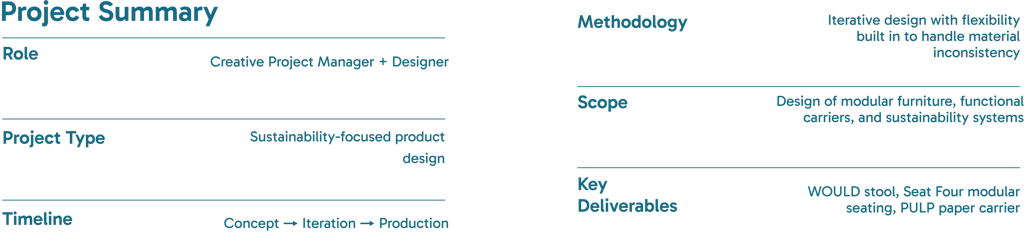
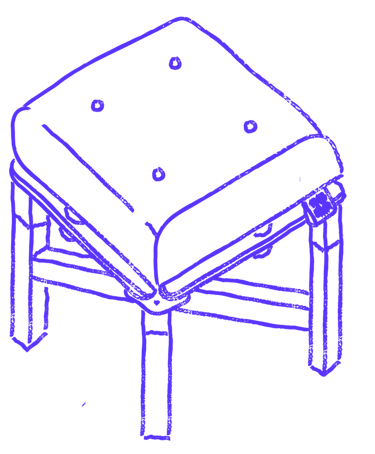
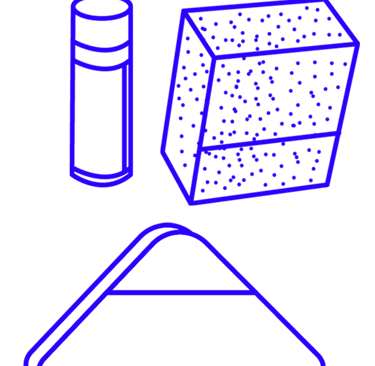
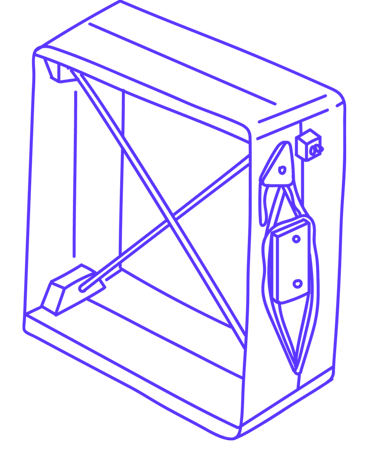
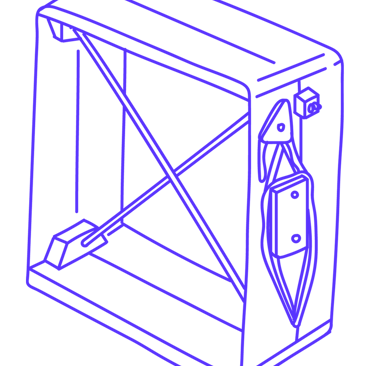
Reclaimed pallet wood became 1.WOULD, a portable customizable stool
Wood offcuts and repurposed textiles became 2.Seat Four, a modular seating system for collaboration and 3. The Art Board
Handmade paper became 4..PLACE - uniquely shaped bookmarks and .PULP, functional, paper based holder supporting reflection and introspection
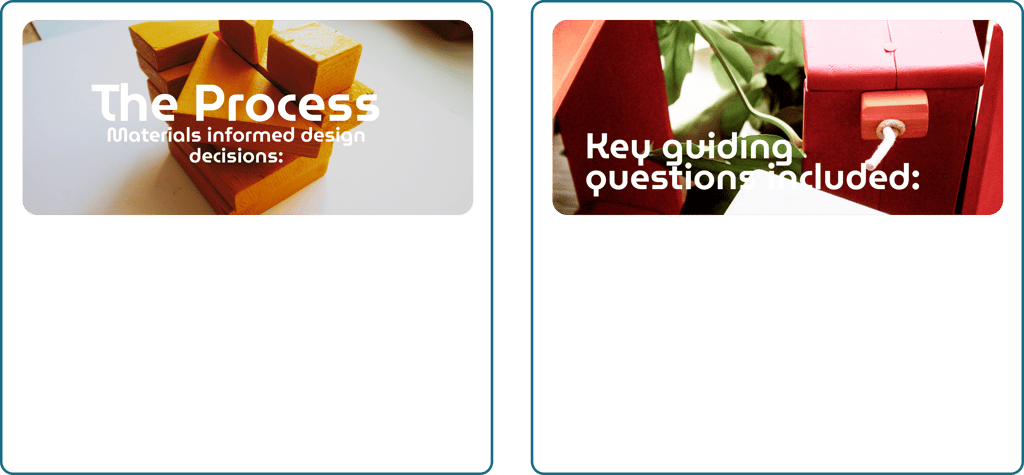
Are these designs practical?
Will sourced materials make my process more sustainable or will it become a hindrance?
In order to ensure each design is structurally sound, would a majority of the materials need to be purchased rather than sourced?
How can each design be collaborative ? These questions informed the project structure and workflow.


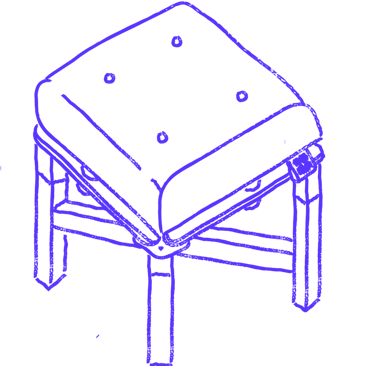
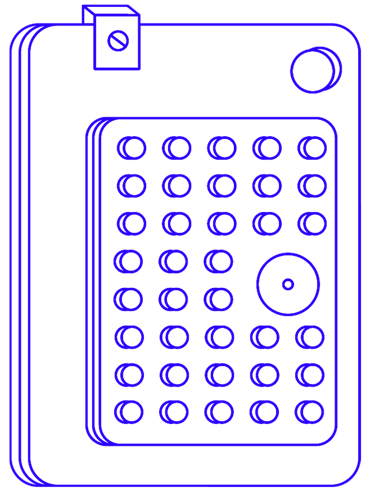
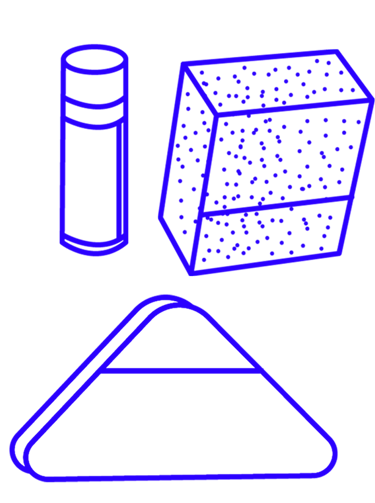

Iteration occasionally drifted into scope creep which took up time and resources. Returning to Salvillage’s core principle: Nothing wasted. Everything utilized - allowed me to get back on track.
I reassessed scope to keep iterations feasible
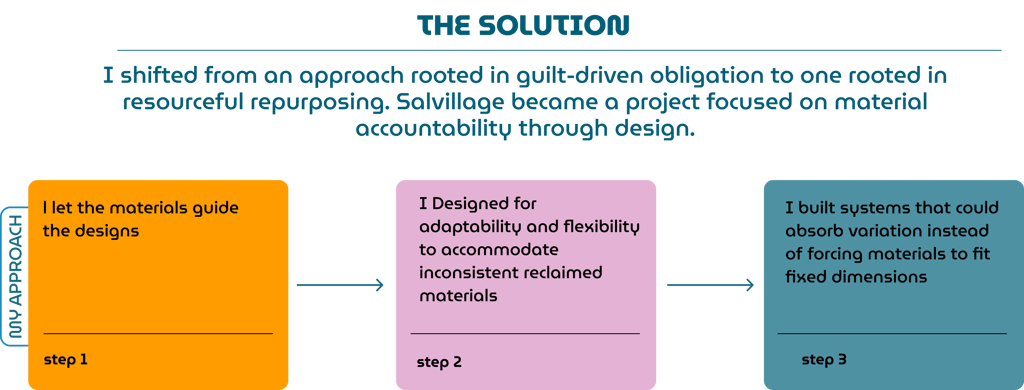
I refined the system for handling inconsistent materials
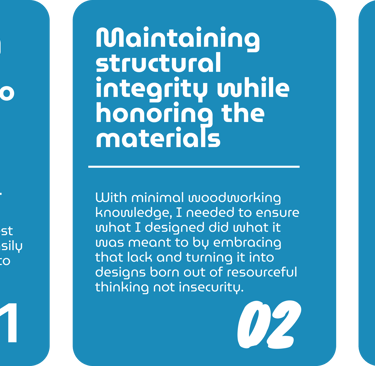
I prioritized designs that honored each material whilst understanding the collaborative opportunities
PROCESS FLOW DIAGRAM
Choosing this process meant understanding that without it, each product would fall short of Salvillage’s design principals: to use the materials foundintentionally and productively.

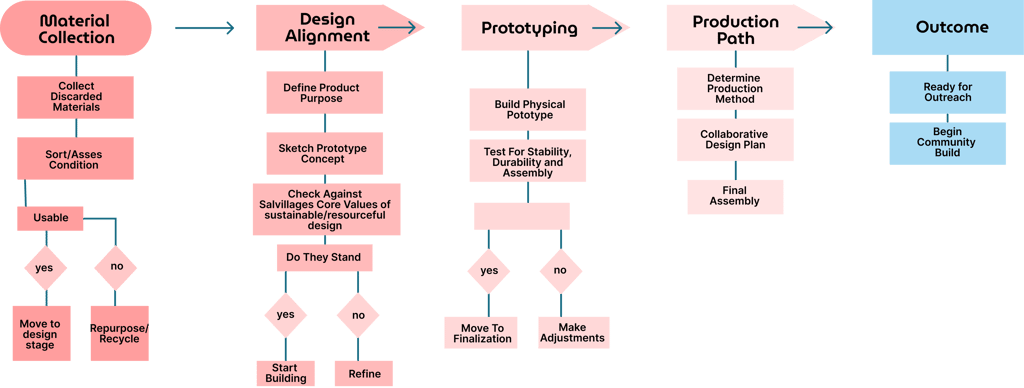
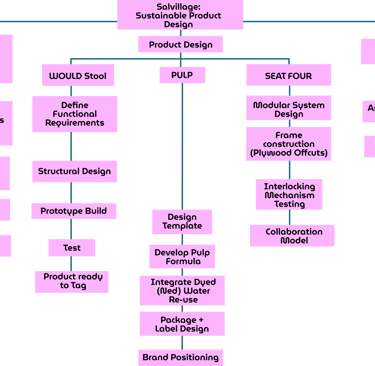
WORK BREAKDOWN STRUCTURE
Balancing several projects at once made staying on track my main priority without getting overwhelmed or distracted by scope creep. Breaking everything down meant each task was completed and the project lived up to its purpose
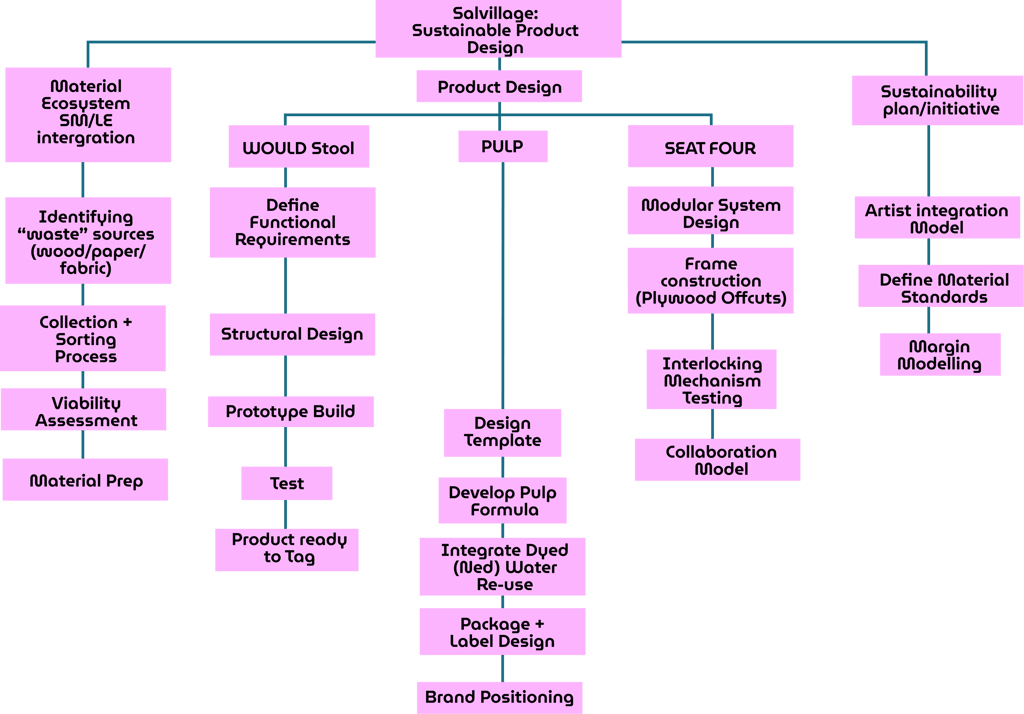
Salvillage now functions as Kiin’s sustainability arm, turning waste into viable products. It demonstrates that sustainability is foundational, not an afterthought. A mini series called “Ko-Built” is also in production.
THE IMPACT





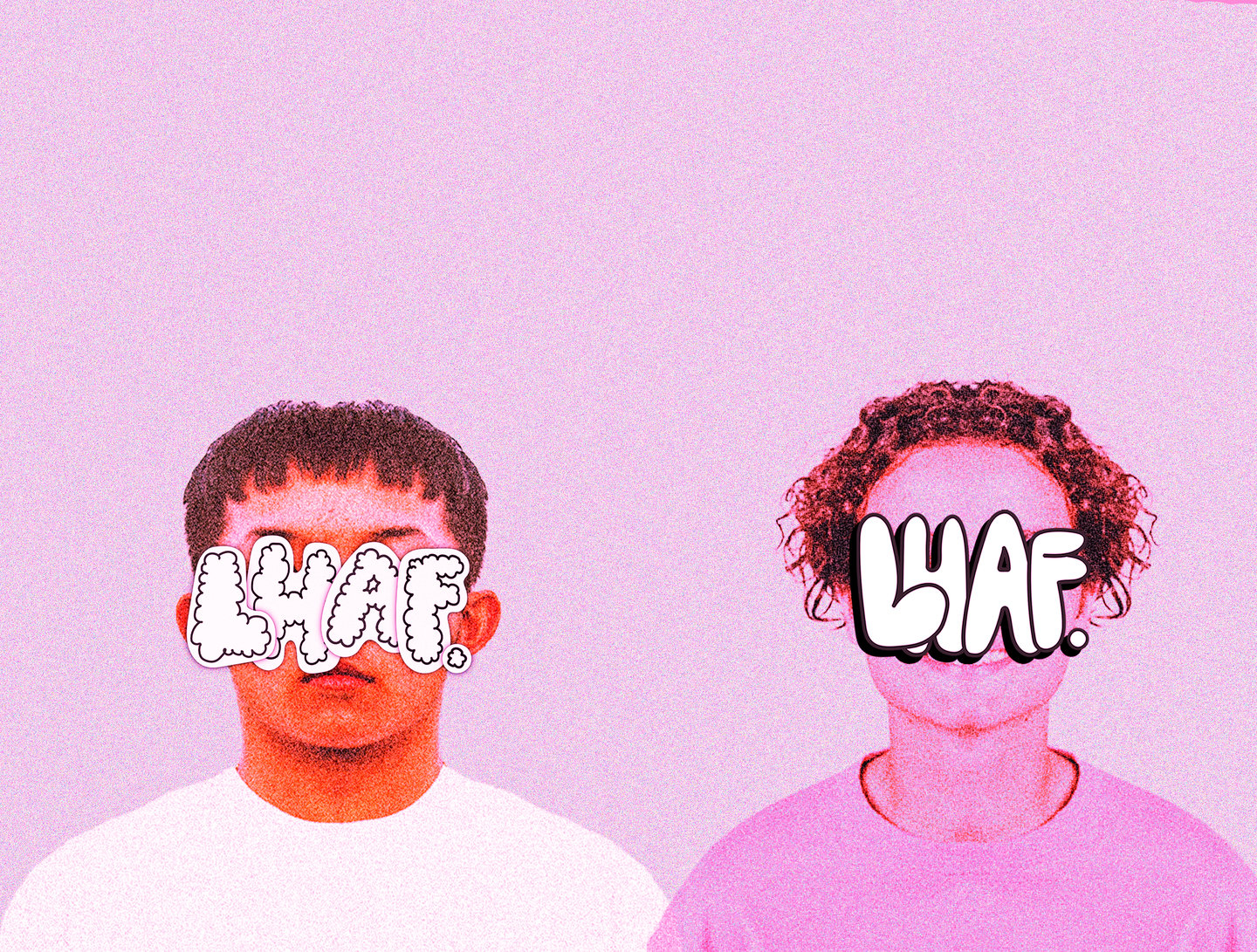
LHAF (LOVE - Life, Opportunities, Validation and Experiences - Had a Face) supports creatives navigating pauses, pivots, and delays without judgment, offering structured care and actionable opportunities for growth through curated events and thoughtful conversations
(LOVE HAD A FACE)
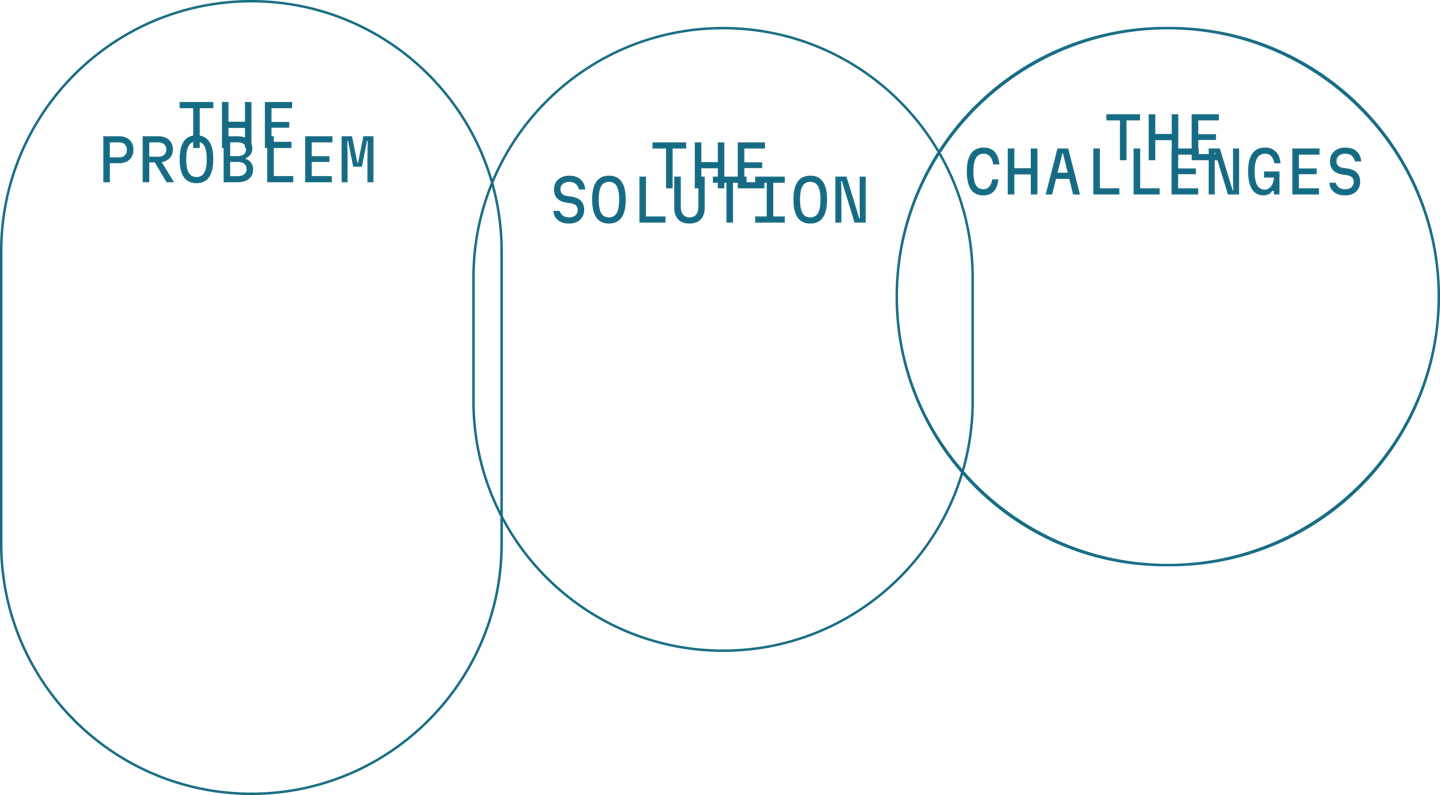
THE PROBLEM
Programs and events that target young creatives tend to focus on where they are now—what they’re producing, how they present, and how they can grow—while leaving little room for those who feel disconnected from their own creative identity.
There are few spaces that acknowledge the emotional side of that gap, including creative grief, missed potential, or identity misalignment, which often leaves individuals feeling isolated or behind. Without environments that support reflection and reconnection, many creatives are left navigating that disconnect alone, unsure how to process it or move forward - if they choose to at all.

Translating an internal, emotional experience into something tangible and engaging
Communicating the concept clearly and quickly so it resonates
Designing experiences that support different levels of disconnection
Measuring impact when the outcomes are internal (identity, clarity, reconnection)
THE CHALLENGES


THE SOLUTION
Create space for creatives to step away from pressure and reconnect with who they thought they’d be by turning the feeling of being off-track into something visible, understood, and creatively actionable. Through curated events, meaningful conversations and collaboratoin, impact communities from the inside out.
EACH EVENT TYPE WAS DESIGNED WITH A CREATIVE PERSON IN MIND
Practical validation through small, achievable financial wins or resource allocation. LHAF’s Incremental Funding gatherings are designed to help break big ideas into smaller, achievable steps, making it easier to get the backing needed because progress—no matter how slow—is still progress, and small projects deserve to move forward.
Structured networking designed to produce actionable connections. Creating a space where real connections can happen through understanding who, why and where they see themselves in the future.
Expanding creative circles intentionally. LHAF takes the time to get to know its attendees beforehand—what they’re looking for, how they see themselves and how they want to be seen. The connections LHAF endeavors to make are authentic, creative and built to last.
Tangible tools, not just advice LHAF’s Resource Sharing gatherings exist to focus on figuring out what’s missing and finding ways to fill in the gaps—whether that’s gear, tools or guidance -sometimes a little support is all it takes to get things going again.
Each event will attempt to bridge the gap between you and who you thought you'd be creatively. Based on missed connections posts, each event is presented in a way that reaches out to creatives who feel they've missed out on certain opportunities in their lives.
The audio series (The FAHL) extends events narratively, guiding listeners through the individual experiences of forgiveness, acceptance, and growth



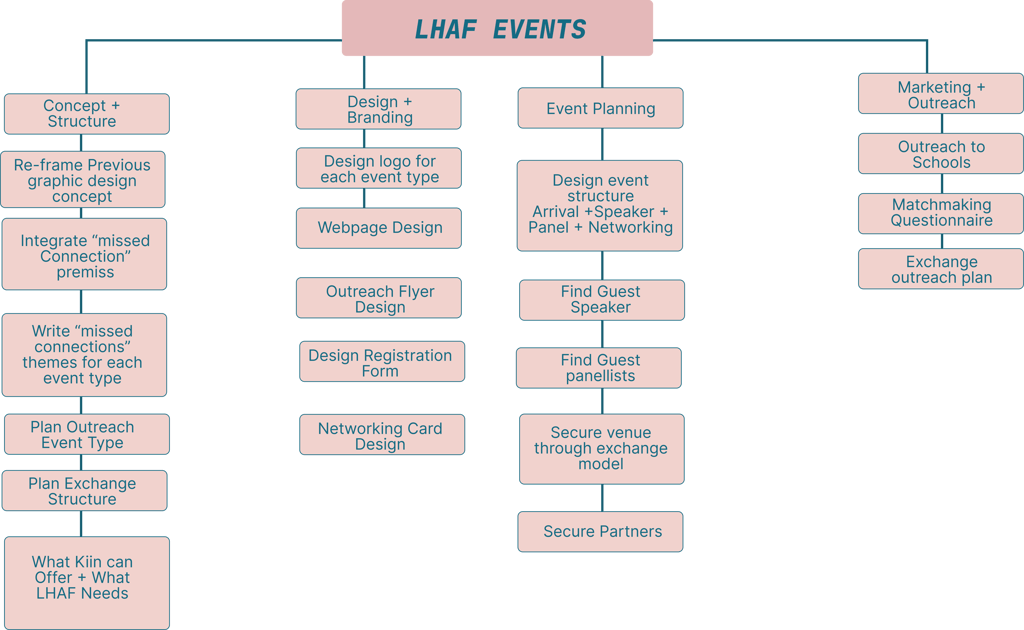
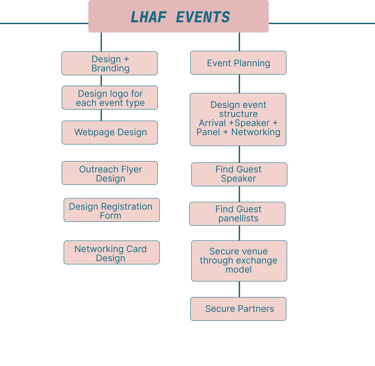
WORK BREAKDOWN STRUCTURE
Balancing several projects at once made staying on track my main priority without getting overwhelmed or distracted by scope creep. Breaking everything down meant each task was completed and the project lived up to its purpose
To secure space for LHAF and The FHAL, I had to take a calculated risk: trading my creative work for venue access. That meant figuring out exactly how much my contribution was worth compared to the cost of the space.
To navigate this roadblock, I’d need to get really clear on what I bring to the table, be flexible with how that value can match the venue’s needs, and be willing to negotiate creatively to make the trade work for both sides.
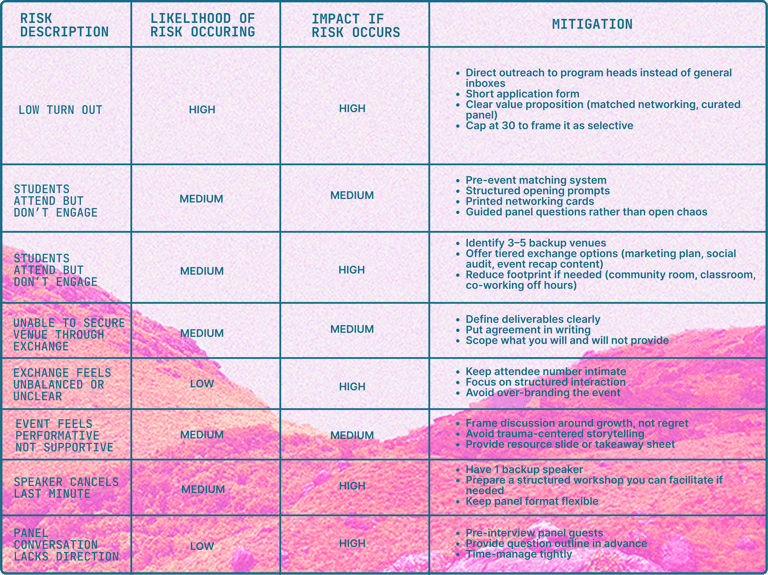
RISK REGISTER MATRIX
Thinking of everything that may go wrong is an aspect of my creative nature that can hugely benefit the overall project when structured productively. Using the risk register matrix chart meant I could take all of my catastrophizing thoughts and reframe them in a way where I can plan ahead, asses the impact and ensure the project’s success isn’t disrupted.




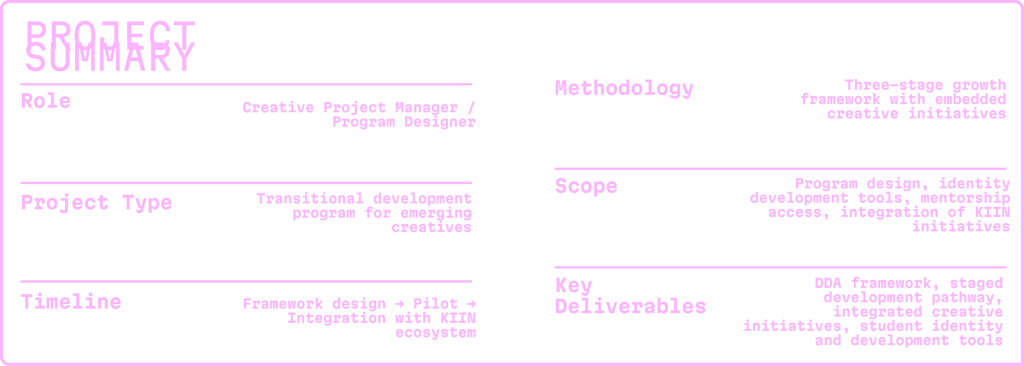
DAA is a transitional development program designed to help young creatives understand their creative identity, develop practical tools, and build meaningful connections so they can confidently step into real creative environments.
The DAA is structured in a way that helps students understand how they learn, create and collaborate with their own identity in mind, not the one they feel they need to have. That understanding will hopefully provide a strong enough foundation to build on.
The DAA sets out to answer “will I need further education after I graduate?” not with a “no” but with a “know who you are before you ask yourself”.

ORIGINAL LINES - FOR ORIGINAL IDEAS
Creative students graduating high school are often pushed toward higher education as the default next step, despite many feeling uncertain about their direction, identity, or readiness. There are limited structured alternatives that support creative development outside of traditional institutions, leaving students to choose between committing to costly, rigid programs or navigating their growth alone without guidance, resources, or validation.
This gap makes it difficult for emerging creatives to build confidence in their abilities, explore their potential on their own terms, and develop a sustainable path forward.
Create a structured program that supports students transitioning out of traditional schooling and into professional, hands on placements and positions and provide some of the guidance, exposure, and development opportunities they need in order to answer career defining questions.
Being viewed as a replacement rather than an opportunity.
Alienating the target audience by trying to hard to connect with them
Not delivering in the way each memeber expected or needed/ falling short of expectations
Measuring impact when the outcomes are internal (identity, clarity, reconnection)



Can DAA support students during major transitional periods?
What sort of accompanying tool can I design to support student development? **
How can I maintain accessibility without introducing financial barriers?
How should I integrate multiple creative initiatives into one cohesive development framework?
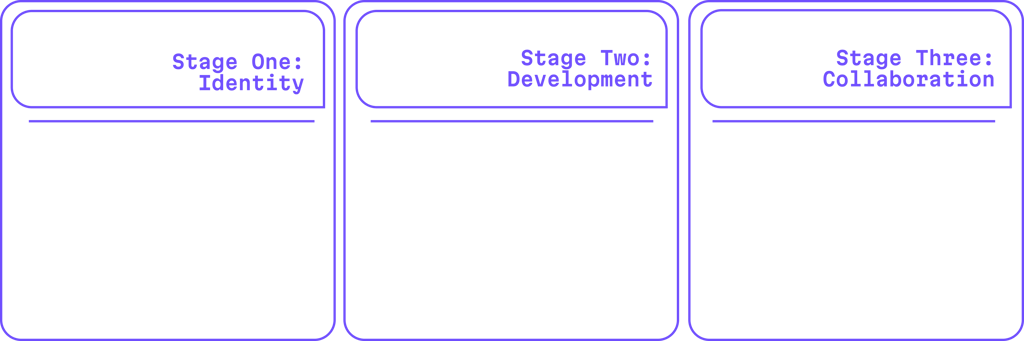
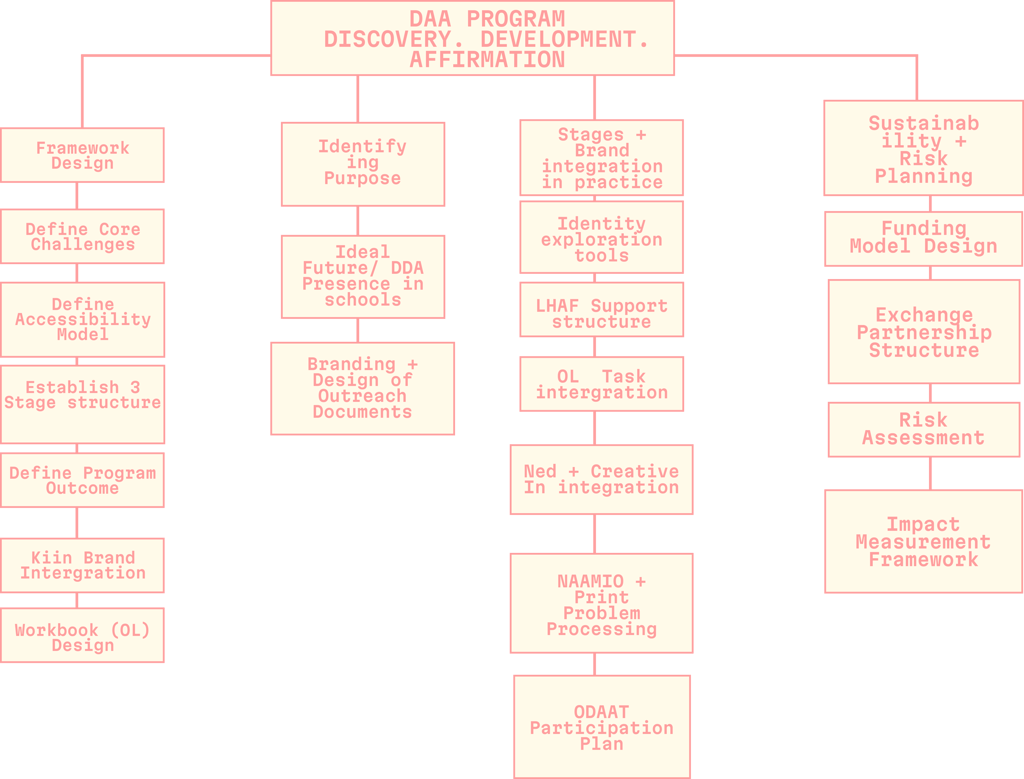
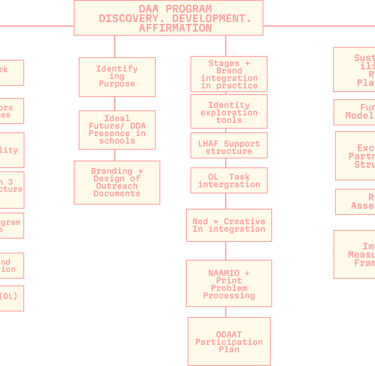
In order to tackle every challenge, I broke down my approach into three stages. I identified the main purpose of each of Kiin’s brands and reframed them in a way that spoke to identity, development or collaboration. This three-stage framework gently moves each student from identifying what makes them creative right through to affirming who they are as creatives.
KEY CONSIDERATIONS INCLUDED:
THE APPROACH
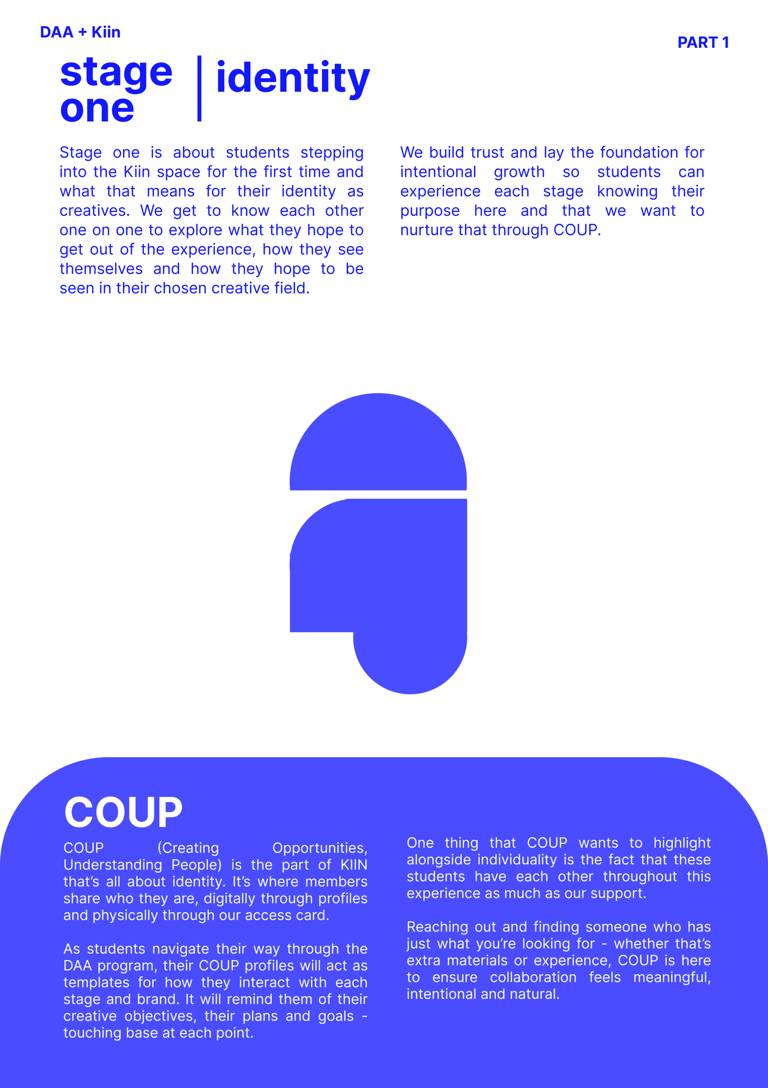
COUP supports identity exploration and creative profiling. LHAF introduces mentorship and industry conversations through curated events. Original Lines (OL) provides a personal tool for documenting ideas and reflections
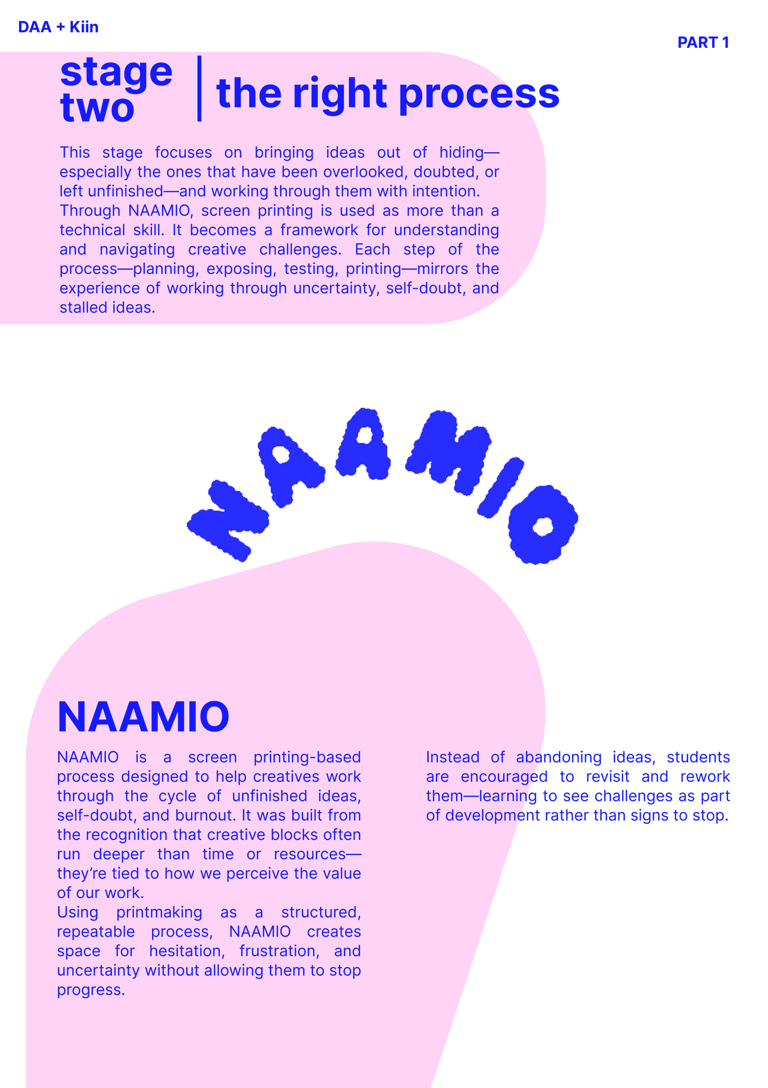
NED introduces functional creative tools and design thinking. Salvillage + SM/LE highlight material storytelling and sustainable resource use and NAAMIO explores collaborative creative production and realignment.
Kiinshop provides a platform for presenting and distributing creative work and ODAAAT encourages reflection, documentation, and creative well-being practices
THE PROCESS
I integrated existing KIIN initiatives into a cohesive developmental ecosystem, allowing students to move through stages that gradually expand their confidence, skills, and community connections. Rather than operating as a rigid curriculum, the framework provides structure while still allowing participants to explore their creative paths organically.
A key challenge for the DAA program is ensuring that participation remains financially accessible with no direct cost to students. While the program is designed to be free, certain components involve the production of creative work, where a portion of proceeds will be reinvested to support long-term sustainability.
To address this challenge, DAA will adopt a transparency-first, participant-centered approach that clearly communicates how value is created and reinvested within the program. Any revenue generated through participant work will be structured as a shared benefit, with contributors retaining ownership and receiving fair recognition, while a defined portion supports program sustainability.
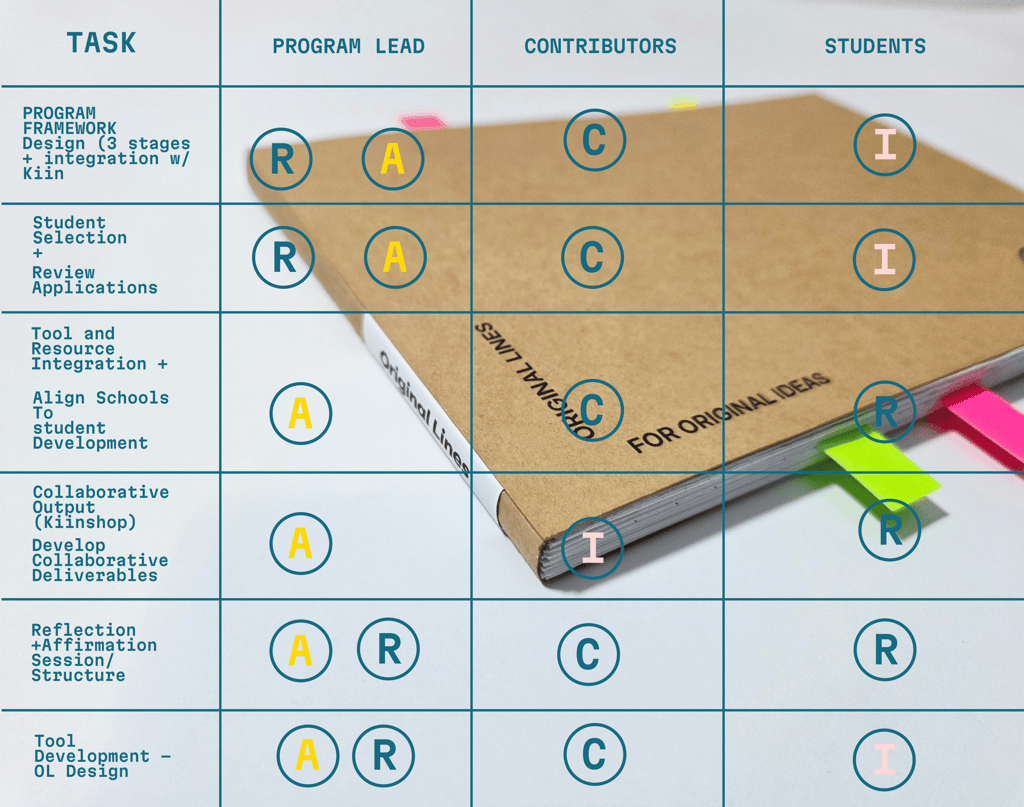
While many of my previous projects were independently led—where I was responsible for managing most aspects from planning through to execution—the DAA program operates differently. It involves collaboration with both educational institutions and student participants, which introduces a more distributed structure of responsibility.
Using a RACI framework helps clearly define roles, maintain accountability, and ensure alignment across everyone involved, allowing the program to run more smoothly and collaboratively.

THE IMPACT
The DAA has created a structured yet flexible entry point into the creative industries for students who want to begin building their careers immediately after high school. By combining identity development, mentorship, practical tools, and collaborative platforms, the program helps participants gain the clarity, confidence, and support needed to navigate the early stages of their creative careers.
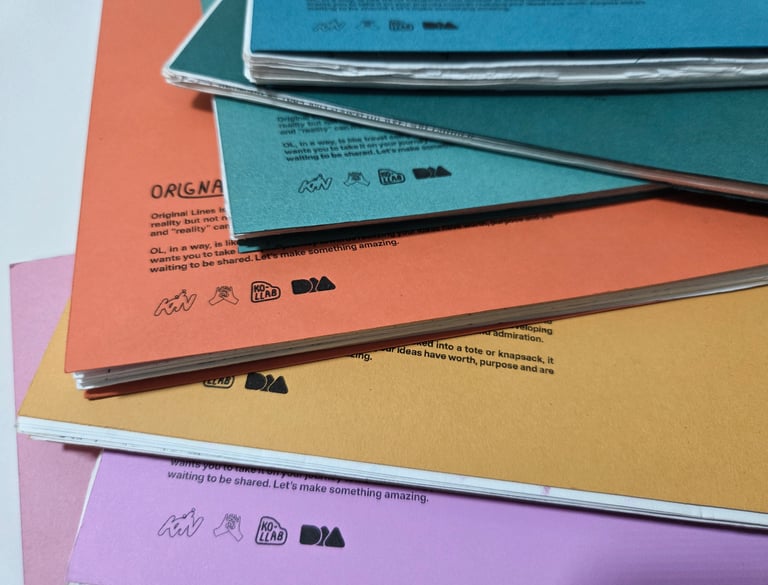
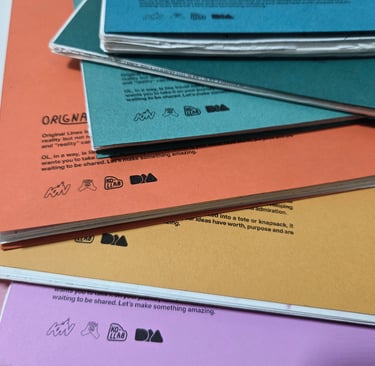
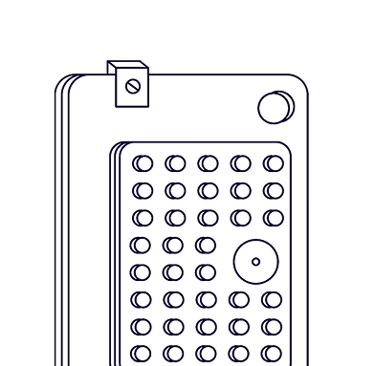
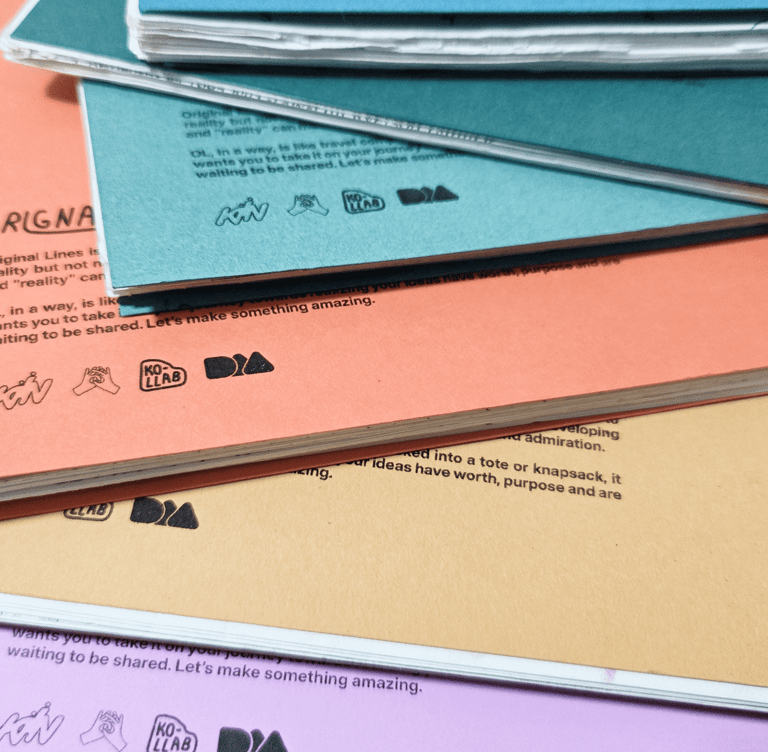
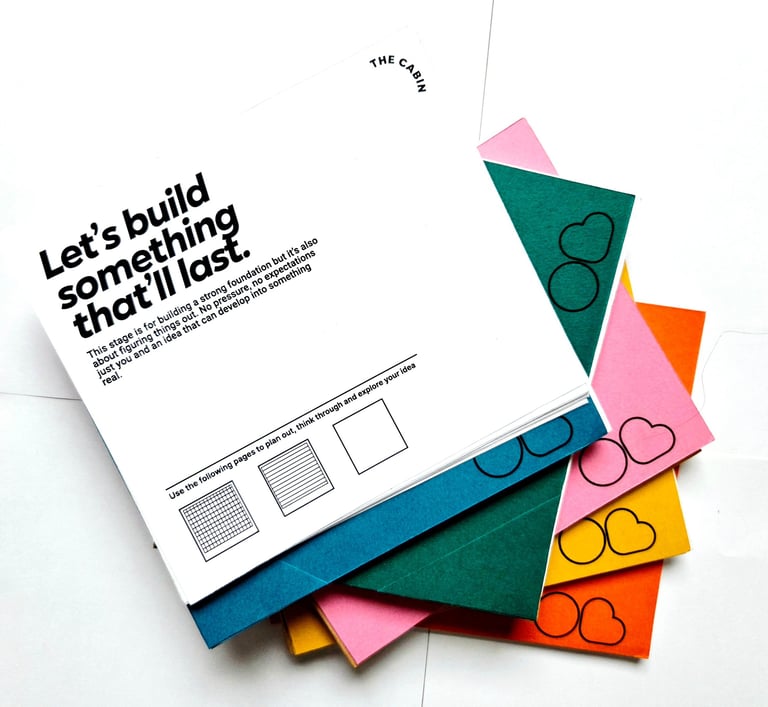
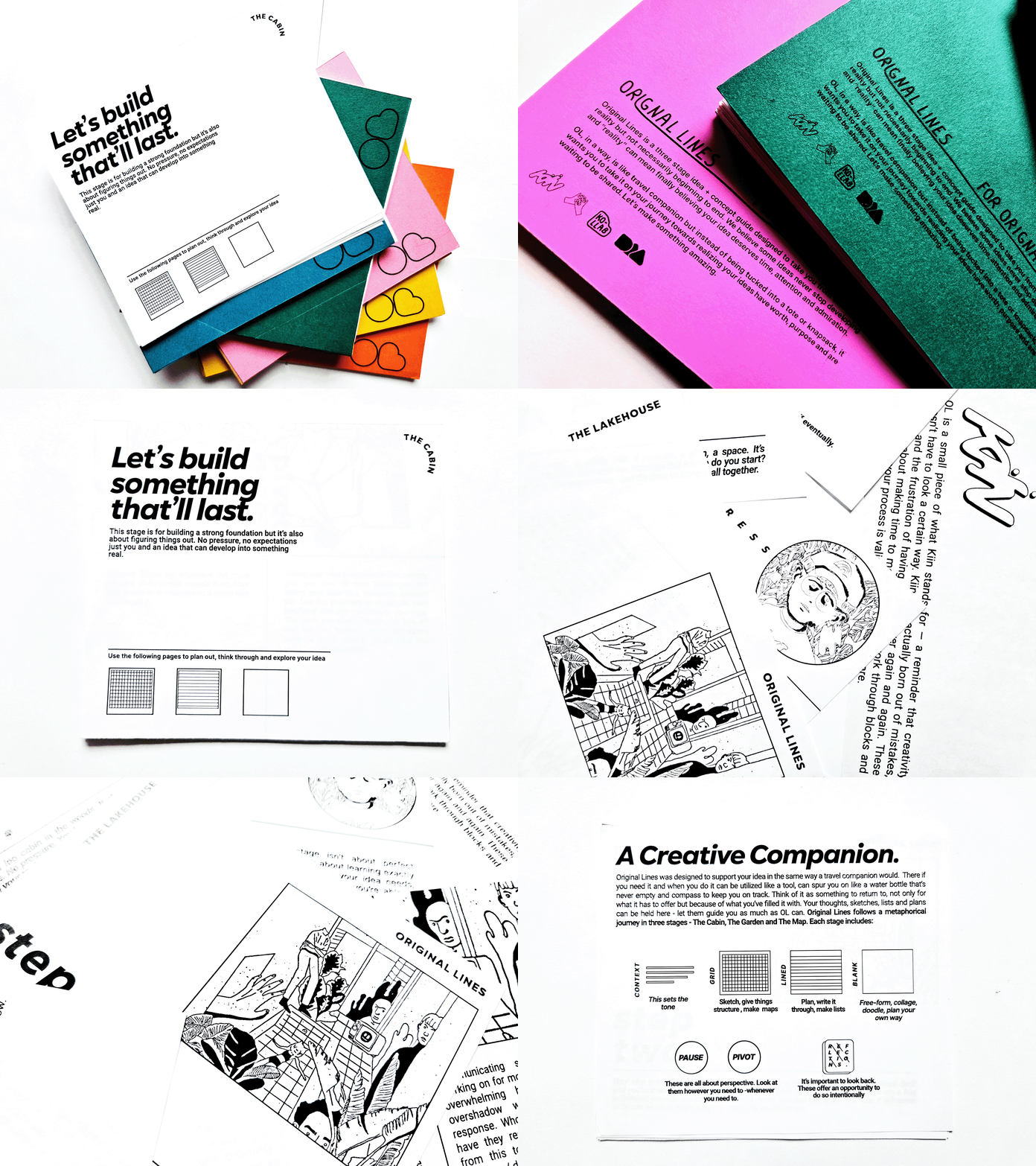
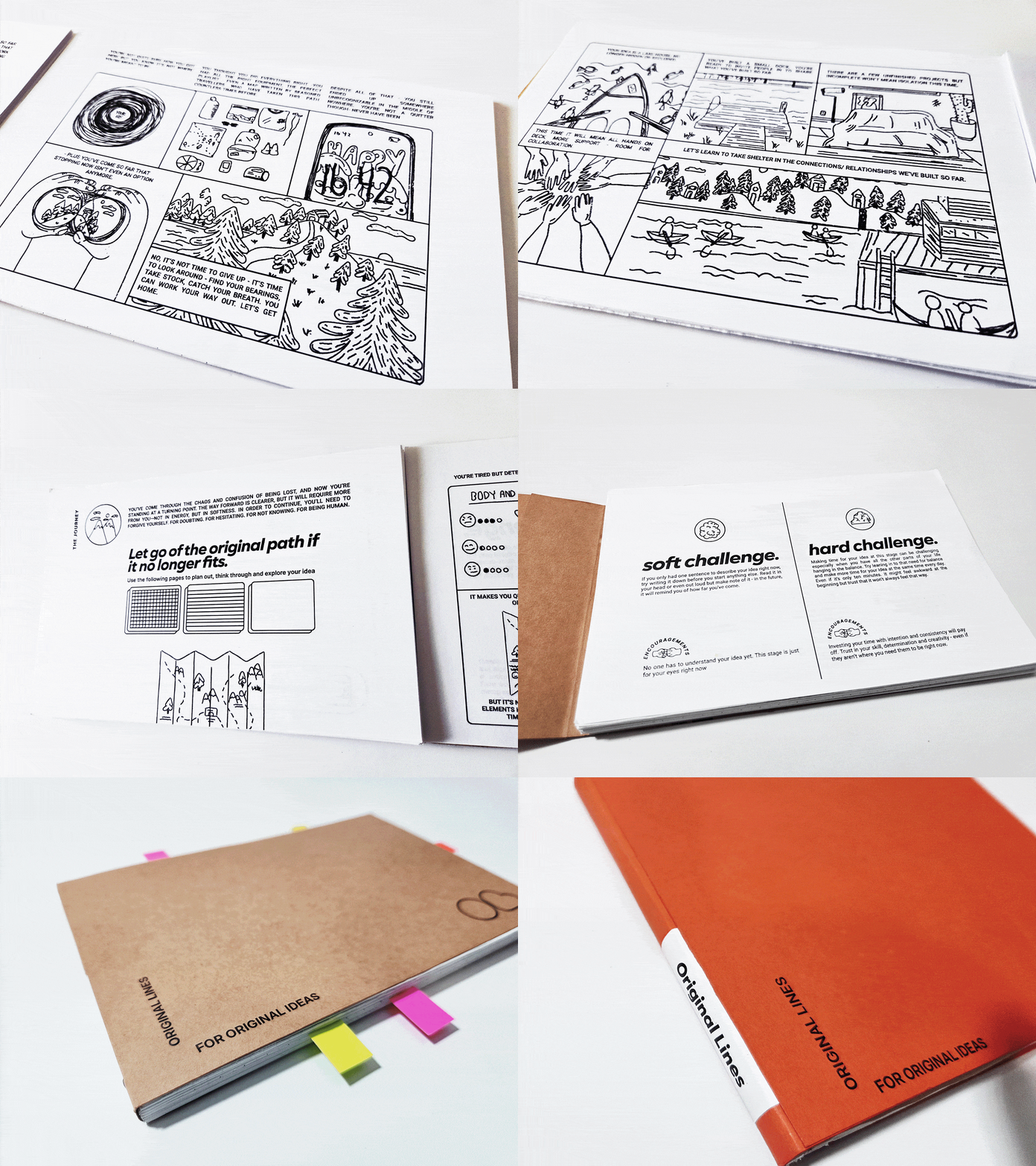
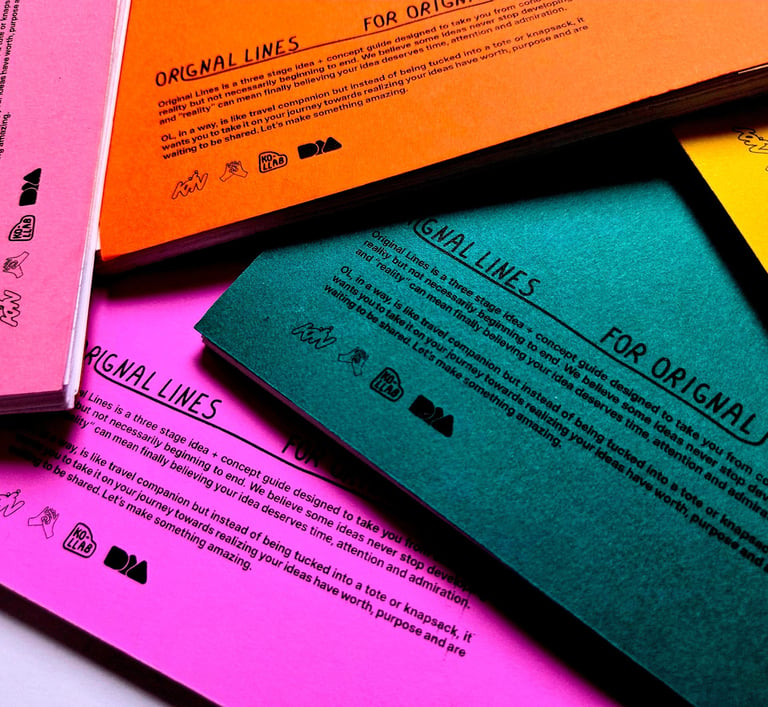
Along with DAA’s framework, I designed a tool to accompany students on their journeys. OL (Original Lines is a sketch/ notebook hybrid that walks users through three stages early ideas can take on. I hope OL can support each students as much as DAA plans to.




ORIGINAL LINES - FOR ORIGINAL IDEAS



Got a question, idea, or project in the works? Reach out anytime. I’m always interested in connecting with creatives, small brands, students, and people building things!

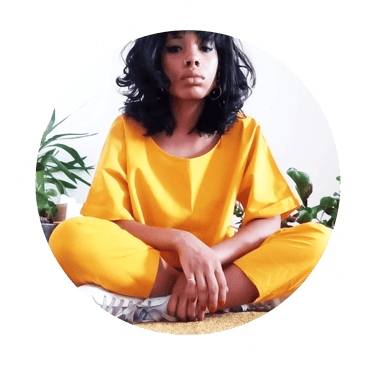
Kiin will be a space where creatives have the room to grow intentionally, collaborate authentically and connect honestly. Until then, it will do all of that from here - this online space through its family of brands
WHERE CREATIVITY IS RELATIVE TO COMMUNITY
NED
SALVILLAGE
SM/LE
NAAMIO
COUP
KIINSHOP
LHAF
ODAAT